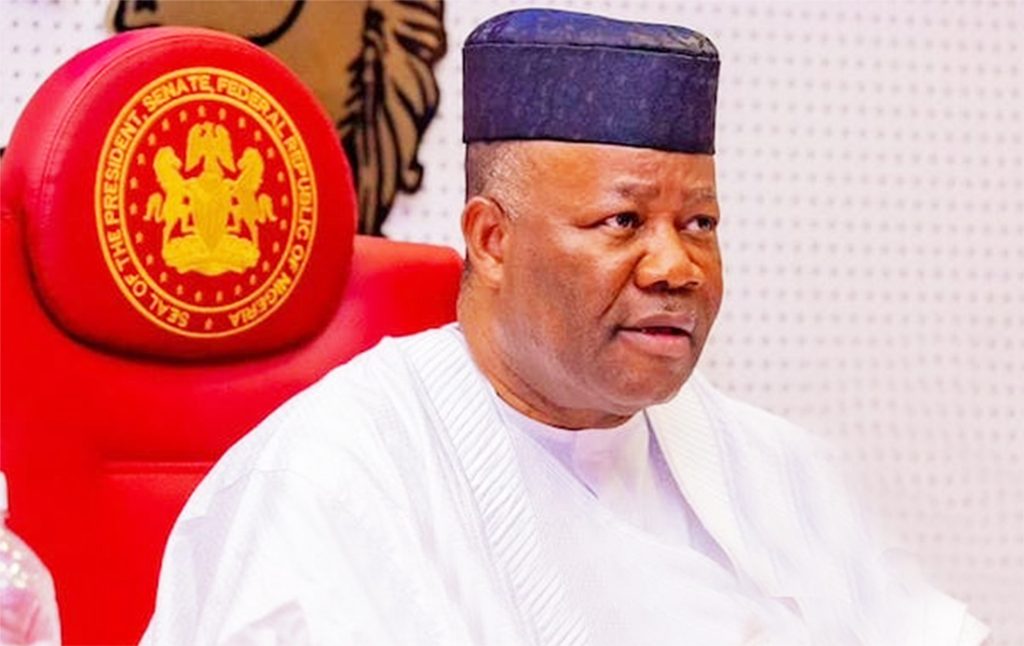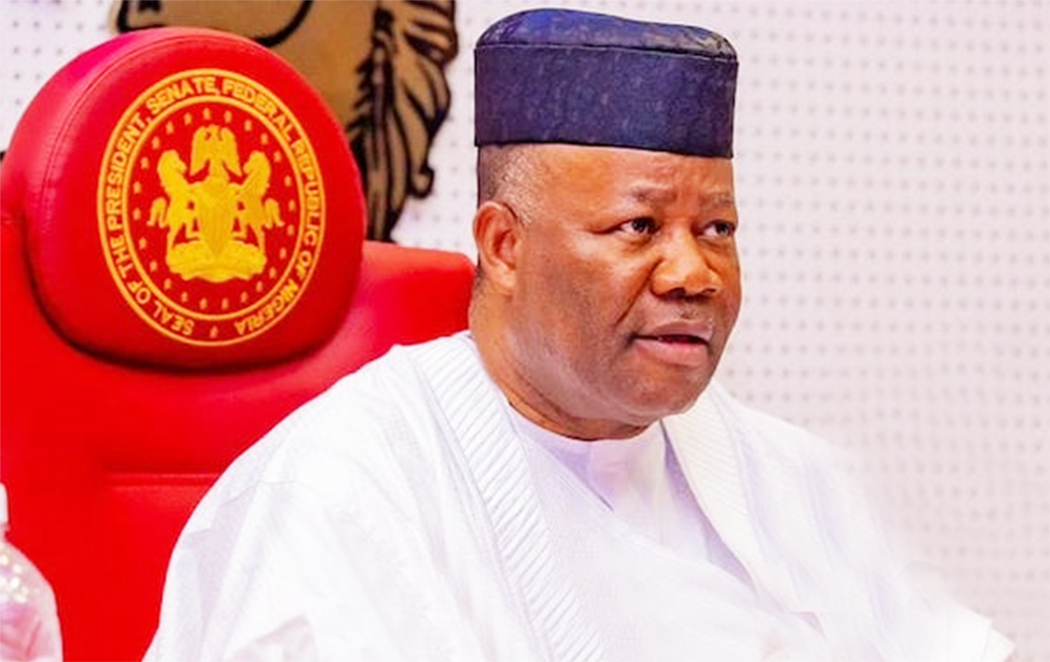
As Nigeria moves closer to the 2027 general elections, attention is increasingly focused on how Senate President Godswill Akpabio will manage the competing political interests within the 10th National Assembly during its final stretch. The period ahead is expected to test the leadership’s ability to maintain cooperation among lawmakers while navigating growing political ambitions and disagreements. The National Assembly plays an important role in Nigeria’s democratic system, with lawmakers responsible for making laws, approving budgets and exercising oversight over government institutions. As electoral preparations intensify, political calculations could influence legislative relationships and priorities. Akpabio’s leadership may therefore require careful engagement with lawmakers from different political parties, regions and interest groups. Maintaining stability in the Senate and ensuring that legislative business continues without prolonged disputes could become increasingly important. The Senate President has faced the challenge of balancing party interests with the broader responsibilities of the legislature. Political leaders often have to manage competing expectations from colleagues while maintaining sufficient support for government-backed legislation and other parliamentary priorities. The approach adopted during the remaining period of the 10th Assembly could have implications for major bills, budget considerations and oversight activities. The 2027 elections may also increase pressure on lawmakers who are seeking re-election or considering other political positions. Such ambitions can affect alliances and influence how legislators respond to controversial issues. Opposition lawmakers are likely to continue scrutinising government policies, while members of the governing party may seek to maintain legislative support for the administration. The ability of the Senate leadership to manage these competing interests will be important for maintaining an effective legislative process. Akpabio’s political balancing act could also involve maintaining relationships with state governors, political party leaders and other influential stakeholders. However, excessive political manoeuvring could attract criticism if Nigerians believe legislative priorities are being shaped primarily by electoral considerations. The final phase of the 10th Assembly presents an opportunity for lawmakers to focus on issues that directly affect citizens, including economic development, security, infrastructure, employment and institutional reforms. Nigerians will be watching whether the legislature can maintain productivity despite increasing political activity. The success of Akpabio’s leadership will ultimately depend on his ability to build consensus, manage disagreements and keep lawmakers focused on their constitutional responsibilities. As the 2027 election approaches, the political environment is likely to become more competitive, making cooperation within the National Assembly increasingly difficult. Whether Akpabio can successfully navigate these pressures while preserving legislative stability will remain a major question as the 10th Assembly enters its final stretch.