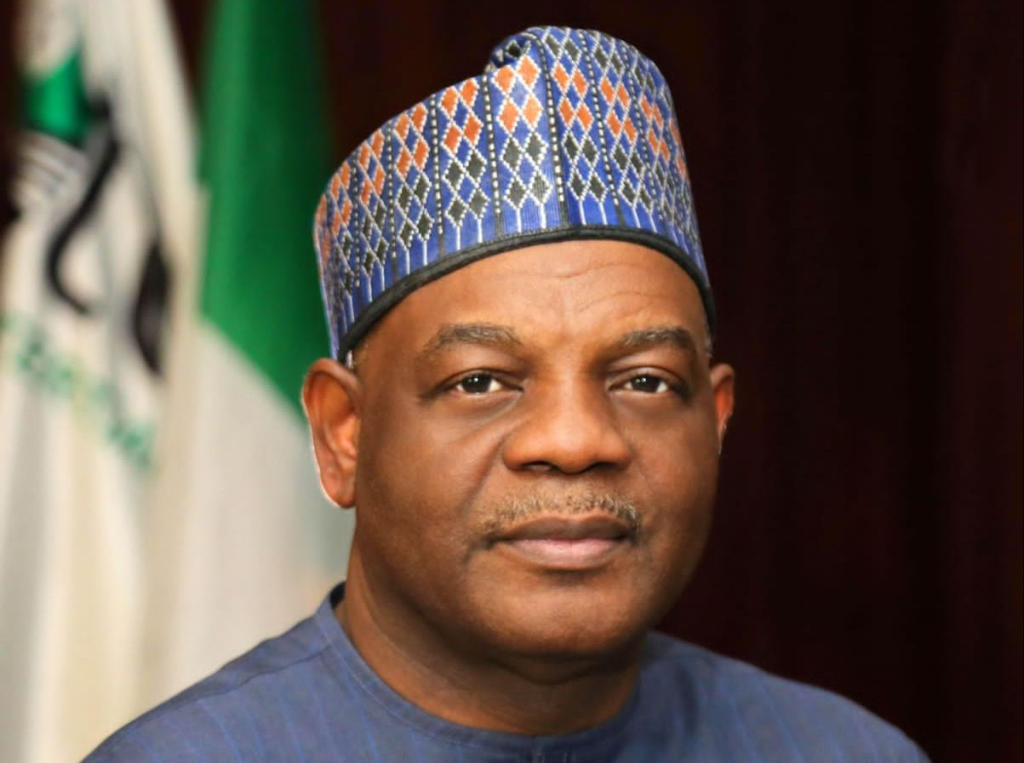
In a significant move to overhaul Nigeria’s research infrastructure, the Executive Secretary of the Tertiary Education Trust Fund (TETFund), Arch. Sonny Echono, has announced that four of the six proposed multi-purpose zonal laboratories will be fully equipped and operational before 2027.
The disclosure, made on Saturday, May 9, 2026, underscores the agency’s commitment to ending decades of “research dependency” and transforming Nigeria into a competitive, knowledge-driven economy.
The “Science Revolution” Strategy
The establishment of these world-class mega-labs is part of a broader “Science Revolution” designed to bridge the gap between theoretical research and practical industry application:
- Zonal Distribution: The six laboratories are strategically spread across Nigeria’s six geopolitical zones. While all six are in progress, Echono confirmed that four are on track for completion and equipment installation within the next 18 months.
- Infrastructure & Power: A key feature of these laboratories is the inclusion of alternative power supplies (solar and inverter systems) to ensure 24/7 research activities, addressing the perennial challenge of unstable electricity in public institutions.
- The Advisory Committee: To ensure global standards, TETFund recently inaugurated a seven-man advisory committee tasked with the “effective utilization” and procurement of cutting-edge equipment for these centers.
Beyond Infrastructure: The 2026 Funding Surge
The laboratory project is just one part of a massive 2026 intervention cycle aimed at repositioning universities, polytechnics, and colleges of education:
- Increased Allocations: Under the 2026 budget, each university is set to receive ₦2.525 billion, polytechnics ₦1.871 billion, and colleges of education ₦2.056 billion in intervention funds.
- AI & Robotics: In addition to the multi-purpose labs, TETFund is also establishing six AI and Robotics Centres across the country to prepare Nigerian students for the fourth industrial revolution.
- Staff Development: Thousands of lecturers have already been earmarked for postgraduate scholarships and specialized training abroad to ensure there is a “pipeline of skilled academics” to man these new facilities.