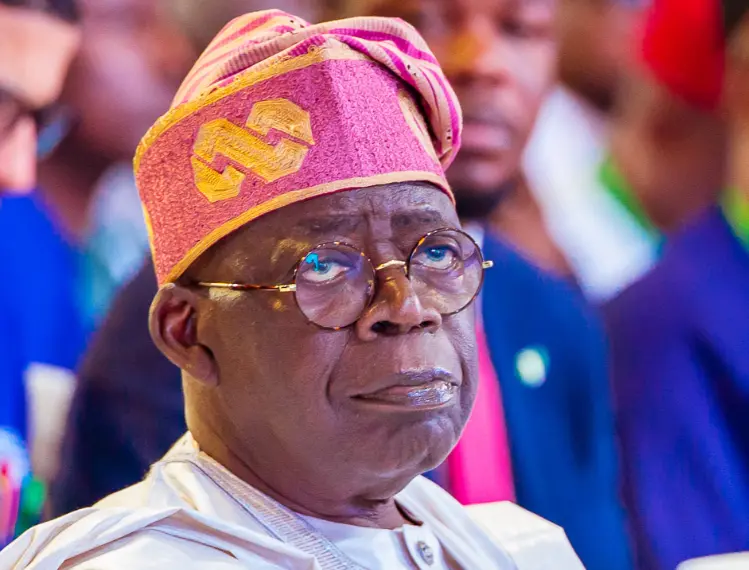
President Bola Ahmed Tinubu has dismissed his Special Assistant on Digital and Creative Economy, Fegho John Umunubo, with immediate effect. The announcement came through an official statement from the State House, which confirmed that Umunubo, who was attached to the Office of the Vice President, no longer holds any position within the administration.
The statement made it clear that Umunubo’s termination is effective immediately, reflecting the President’s determination to maintain discipline, trust, and alignment in his government. While no specific reason was given for the decision, the directive included a strong warning to stakeholders in the digital and creative sectors, as well as to members of the public, advising them not to engage with Umunubo on any government-related matters.
According to the State House, Umunubo is no longer authorized to conduct business, represent, or speak on behalf of the administration. Any attempt by individuals or organizations to transact with him under the guise of official authority, the statement stressed, would be invalid and misleading. This rare caution suggests that the Presidency wants to prevent any potential misrepresentation in the country’s fast-growing digital and creative economy.
Who Is Fegho John Umunubo?
Before joining the Tinubu administration, Umunubo had carved out a niche in Nigeria’s creative and digital landscape. With a background in media, law, and content development, he was considered one of the young professionals expected to inject fresh ideas into government policy. His appointment was seen as a step toward strengthening the government’s engagement with Nigeria’s vibrant creative and tech-driven industries.
The digital and creative economy—covering music, film, fashion, technology startups, digital arts, and online content—has been described as one of Nigeria’s biggest assets. With Nollywood films dominating Africa’s movie scene, Afrobeats taking over global music charts, and tech startups securing international investments, the sector has positioned Nigeria as a global cultural and economic force. Umunubo’s role was meant to help bridge the gap between government and industry players in order to maximize this potential.
Why the Sack Matters
President Tinubu’s decision to sack Umunubo underscores his reputation as a leader who does not hesitate to act when he feels necessary. Political observers note that the move reinforces his no-nonsense style, reminding appointees that public service is a position of trust that must be handled with utmost responsibility.
On the other hand, analysts warn that abrupt dismissals can create uncertainty, particularly in sectors such as technology and creativity, which thrive on long-term planning and consistent policy direction. With Nigeria looking to diversify its economy away from oil, stability in these emerging sectors is considered essential.
For stakeholders, the most pressing issue is clarity. Many in the creative and tech industries are eager to know who will replace Umunubo and how this leadership change will affect existing government-backed initiatives. Projects aimed at empowering young creators, supporting startups, and expanding digital infrastructure could face disruptions if the government does not swiftly appoint a capable successor.
Tinubu’s Bigger Agenda
Since assuming office, President Tinubu has repeatedly emphasized the importance of digital transformation, youth empowerment, and economic diversification. His administration sees creativity and technology as vehicles for job creation and innovation, especially in a country where millions of young people are unemployed or underemployed.
Removing Umunubo may be a strategic move to bring in someone better aligned with Tinubu’s broader vision. It may also reflect a desire to reposition the digital and creative agenda to deliver quicker and more impactful results. The President has often stated that accountability and results are the benchmarks for his team, and this decision may be part of that philosophy.
What Happens Next?
Attention is now turning to who the President will appoint as Umunubo’s replacement. Industry leaders are looking for someone with not only expertise but also strong networks within the creative and digital communities, someone capable of translating the government’s promises into tangible opportunities.
For now, the clear message from the Presidency is that discipline and integrity in public office are non-negotiable. Umunubo’s dismissal is not just about one individual; it is also a signal that the administration intends to remain vigilant in safeguarding its reputation and ensuring that appointees serve with transparency.
As Nigeria pushes forward with its ambition to become a global hub for creativity and digital innovation, the government’s next steps will be closely watched. The sacking of Fegho John Umunubo may mark a turning point—one that will either strengthen the administration’s credibility in managing this critical sector or raise concerns about instability in its policy approach.