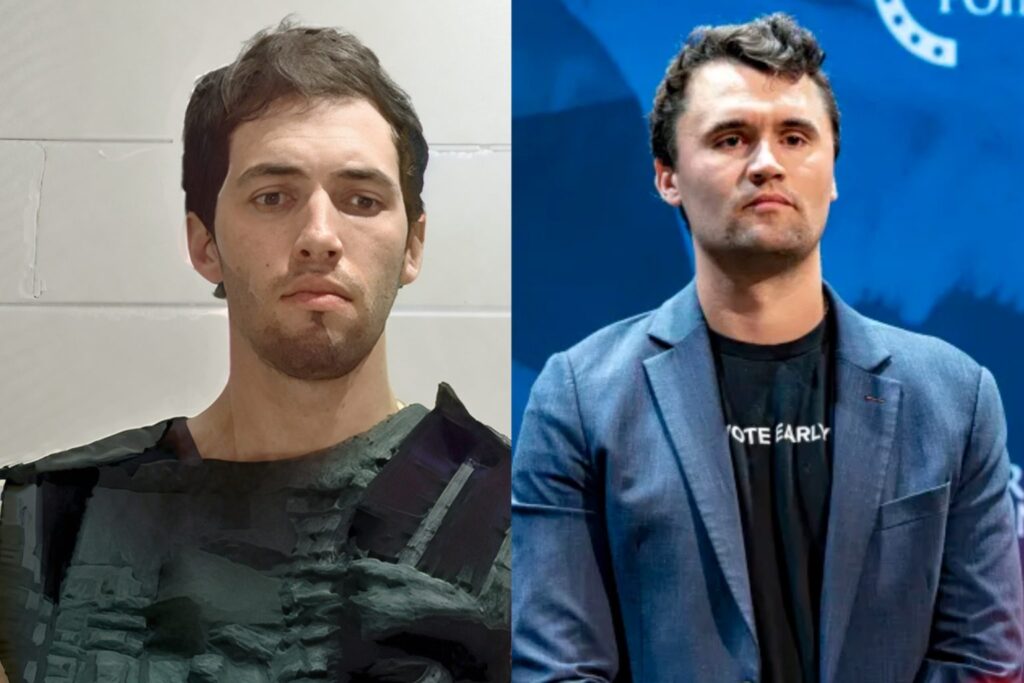
The tragic killing of conservative commentator Charlie Kirk has taken a shocking turn as court documents reveal new details about the suspected shooter, 22-year-old Tyler Robinson. According to prosecutors, Robinson not only planned the attack in advance but also allegedly confessed to the crime in a series of disturbing text messages to his romantic partner.
Alleged Confession Through Texts
Shortly after the shooting, Robinson reportedly sent his partner a message instructing them to look under a keyboard. Beneath it, they allegedly found a handwritten note that read: “I had the opportunity to take out Charlie Kirk and I’m going to take it.” When asked directly if he was the gunman, Robinson is said to have admitted: “I am, I’m sorry.”
In another message, his partner pressed further, asking why he did it. Robinson allegedly replied: “I had enough of his hatred. Some hate can’t be negotiated out.” These words, now central to the investigation, point to a motive linked to Kirk’s outspoken political stances and Robinson’s own shifting beliefs.
Political Divide and Family Tensions
Robinson’s mother reportedly told investigators that her son had undergone a significant transformation in his political outlook over the past year. After beginning a relationship with a transgender partner, he had become more vocal in supporting LGBTQ+ rights. This evolution, however, put him at odds not only with Kirk’s conservative positions but also with his father, described as a “diehard MAGA supporter.”
Prosecutors suggest that these ideological clashes, combined with Robinson’s personal frustrations, created a combustible mix that culminated in violence. His texts reflect not only a premeditated plan but also a sense of moral justification rooted in political and social conflict.
DNA Evidence and the Murder Weapon
Court documents indicate that DNA consistent with Robinson’s was found on the trigger of the bolt-action rifle used in the shooting. Investigators noted that the firearm had deep personal significance—it was a family heirloom originally belonging to Robinson’s grandfather.
Following the attack, Robinson allegedly worried about what would happen to the weapon. In his texts, he expressed concern about not being able to retrieve the rifle, which he had hidden after the shooting. Prosecutors say this detail further underscores his awareness of the crime and its consequences.
Planned for More Than a Week
This was not a spur-of-the-moment act, authorities allege. Prosecutors stated that Robinson admitted in communications that he had been planning the attack for “a bit over a week.” This claim, coupled with his handwritten note and confession texts, strengthens the case against him and highlights the premeditated nature of the killing.
Arrest with Parents’ Help
Robinson’s arrest came 33 hours after the shooting, and it was his parents who played a crucial role. When surveillance photos of the suspect were released, they reportedly recognized their son and convinced him to surrender. Rather than letting the situation escalate, they arranged for him to turn himself in to a retired sheriff’s deputy, a family friend. Authorities praised this intervention, which brought the manhunt to a peaceful conclusion.
Facing the Death Penalty
Robinson now faces charges of aggravated murder along with related offenses. Given the high-profile nature of the crime and the level of planning involved, prosecutors have already announced their intent to seek the death penalty.
Legal experts suggest the trial could be lengthy and contentious, with Robinson’s defense team likely to focus on his mental state, shifting political views, and personal struggles within his family. Nonetheless, the weight of evidence, from DNA to digital communications, paints a grim picture for the accused.
A Nation Reacts
Beyond the courtroom, this case has sparked intense national debate. For many, it underscores how political polarization, family divisions, and unresolved anger can spiral into violence. Some view the crime as a politically motivated assassination, while others argue that it is a tragic reminder of the need to address extremism on all sides.
As the legal proceedings move forward, the story of Tyler Robinson stands as a chilling example of how ideology, personal conflict, and access to firearms can collide with devastating consequences.
For now, Robinson remains in custody as prosecutors prepare their case. If convicted, the 22-year-old could face the harshest punishment the justice system allows—the death penalty.