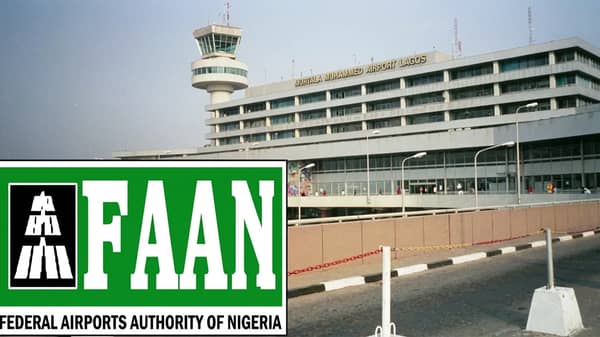
The Federal Airports Authority of Nigeria (FAAN) has announced a significant reduction in cargo handling charges at Murtala Muhammed International Airport, Lagos, cutting the rate to ₦15 per kilogram. The move is expected to bring major relief to exporters, freight forwarders, and logistics operators.
Why This Matters
For years, high cargo charges at Nigerian airports have been a major concern for businesses involved in international trade. Many exporters complained that excessive fees made Nigerian goods less competitive in global markets.
With the new ₦15/kg rate, cost of moving goods by air is expected to drop, making it easier for businesses to ship products abroad, especially perishable and time-sensitive goods such as agricultural produce, seafood, and pharmaceuticals.
Impact on Shippers and Exporters
The reduction means:
- Lower operating costs for exporters and freight agents
- Improved competitiveness of Nigerian exports
- Increased cargo traffic through Lagos airport
- Encouragement for SMEs to explore air freight options
Industry players believe this policy could stimulate export growth and reduce reliance on neighboring countries’ airports for international shipments.
Boost to Non-Oil Exports
The move aligns with the federal government’s push to diversify Nigeria’s economy and strengthen non-oil exports. By reducing logistics bottlenecks, FAAN’s decision may encourage more farmers, manufacturers, and exporters to use Lagos airport as a preferred cargo hub.
Industry Reactions
Stakeholders in the logistics and export sectors have welcomed the decision, describing it as a step in the right direction. Many, however, are calling for further reforms, including improved cargo facilities, faster processing times, and consistent policy implementation.
What to Watch Next
While the reduced charge is a positive development, experts say its long-term success will depend on transparency, efficiency, and sustained infrastructure improvements at the airport.
For now, shippers and exporters see the move as a much-needed relief that could help revive confidence in Nigeria’s air cargo system.