The ultimatum, dated March 9, 2026, revealed that Nigeria has not made a single payment for satellite control services since 2019. While CGWIC stated it has continued operations out of “goodwill” for seven years, it cited mounting pressure from internal auditors and subcontractors as the reason it can no longer sustain the services without remuneration.
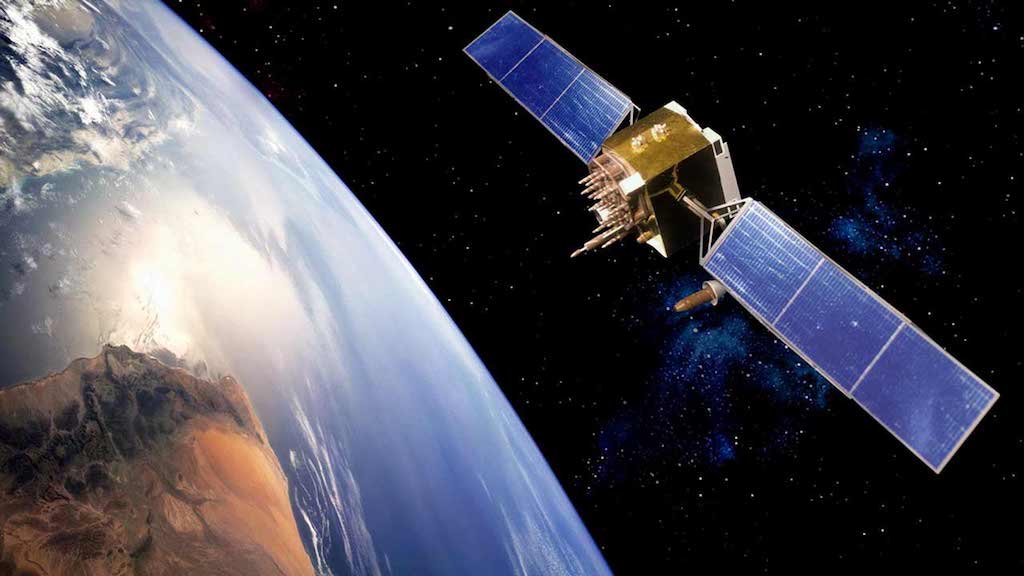
The potential shutdown poses a severe risk to national security, broadcasting, and internet connectivity. Because Nigeria’s ground control station in Abuja has been offline since it was damaged by a thunderstorm in 2019, the satellite is currently managed entirely from a facility in Kashi, China. If the Chinese firm follows through on its threat to deactivate the active transponders, NigComSat-1R could effectively become a “ghost” in orbit, drifting from its assigned position and risking collisions with other spacecraft.
This crisis comes at a particularly sensitive time for the Nigerian Communications Satellite Limited (NigComSat). The satellite, launched in 2011, is already nearing the end of its 15-year design life. While President Bola Ahmed Tinubu recently approved the acquisition of two new satellites (NigComSat-2A and 2B) to replace the aging hardware, the 2026 budget for the project was reportedly slashed by 30%.
NigComSat’s management has confirmed receipt of the notice and is currently reviewing the situation. However, industry experts warn that failure to provide a legally binding financial guarantee within the 30-day window could leave millions of Nigerians without critical satellite-linked services by early April.