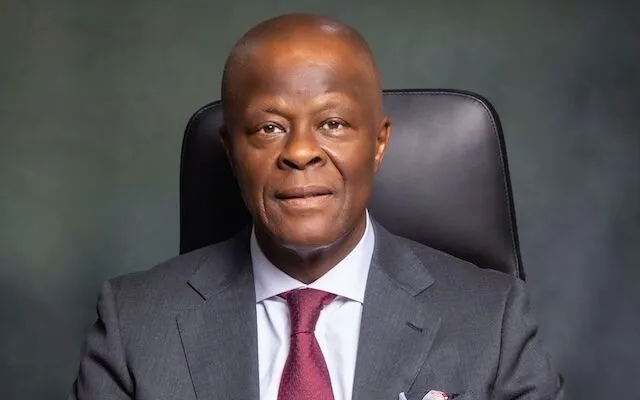
The Nigerian economy has officially moved beyond the phase of “emergency stabilization” and entered a period of structural transformation, according to the Minister of Finance and Coordinating Minister of the Economy, Wale Edun.
Speaking today, Wednesday, April 8, 2026, at the World Bank’s Nigeria Development Update (NDU) in Abuja, the Minister provided a progress report on the administration’s fiscal reforms, asserting that the difficult “turning point” has been passed.
Indicators of Transformation
Edun outlined three key metrics to support his claim that the economy is achieving a sustainable shift:
- Decelerating Inflation: The Minister highlighted that the aggressive monetary policies and fiscal discipline have finally broken the back of soaring inflation, with monthly figures showing a consistent downward trend.
- Non-Oil Revenue Growth: A major pillar of the update was the surge in non-oil revenue, which now accounts for a significantly larger portion of the federation’s income. This shift is credited to enhanced tax administration and the digitalization of revenue collection.
- Exchange Rate Stability: While acknowledging past volatility, Edun stated that the Naira has found a more predictable range, bolstered by increased foreign exchange inflows and the elimination of the arbitrage “gaps” that plagued the market in previous years.
The World Bank’s Assessment
The World Bank’s Lead Economist for Nigeria, participating in the update, noted that while the macroeconomic indicators are improving, the “human cost” remains a priority. The report emphasized that for these structural shifts to be felt by everyday Nigerians, the government must continue to scale up its social safety nets and ensure that the increased non-oil revenue is reinvested into critical infrastructure and job-creating sectors.