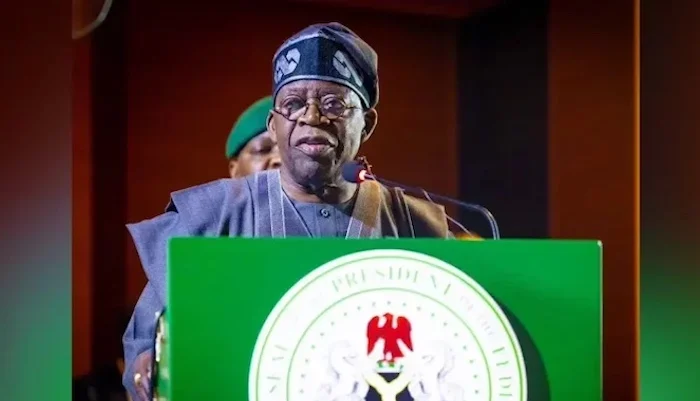
The signing of the Electoral Act 2026 by President Bola Tinubu in February 2026 has sparked a fierce backlash from civil society organizations (CSOs), who have officially labeled the new law a “Democratic Emergency.” While the government frames it as a “gift to the nation” that integrates technology into our elections, critics argue it contains dangerous loopholes that could undermine the integrity of the 2027 polls.
1. The “Fallback” Loophole (Clause 60)
The biggest flashpoint is the refusal to make real-time electronic transmission of results mandatory.
- The Rule: The Act gives INEC the “discretion” to determine how results are transferred.
- The Emergency: CSOs, including groups like CHRICED, argue that by allowing manual transmission as a “fallback” during “network challenges,” the law leaves the door wide open for results to be changed between the polling unit and the collation center.
- The Question: Critics are asking why “internet glitches” are still an excuse after Nigeria has spent hundreds of billions on BVAS and digital infrastructure.
2. The “Fake Certificate” Shield
A fresh wave of anger erupted in March 2026 over reports that the new Act allegedly removed certificate forgery as a valid ground for challenging a candidate’s eligibility.
- Afenifere, the pan-Yoruba group, slammed this move, arguing it protects dishonest politicians and contradicts the 1999 Constitution.
- Legal experts warn this could lead to a “floodgate of unqualified candidates” who no longer fear being disqualified for lying about their academic credentials.
3. Death of the “Delegate System”
In a massive shift for political parties, the 2026 Act has effectively abolished indirect primaries (delegate conventions).
- New Reality: Parties must now use Direct Primaries or Consensus to pick their candidates.
- Why it matters: This was intended to stop “moneybags” from buying delegates, but analysts at PLAC warn it gives party leaders even more power to control “party guidelines,” potentially making it harder for outsiders to win nominations.
4. Jail for “Double Dealers”
The House of Representatives recently added a punchy amendment to Section 77:
- The Penalty: If you are caught holding membership in more than one political party at the same time, you now face stiff fines and potential imprisonment. This is aimed at stopping politicians from “testing the waters” in multiple parties before an election