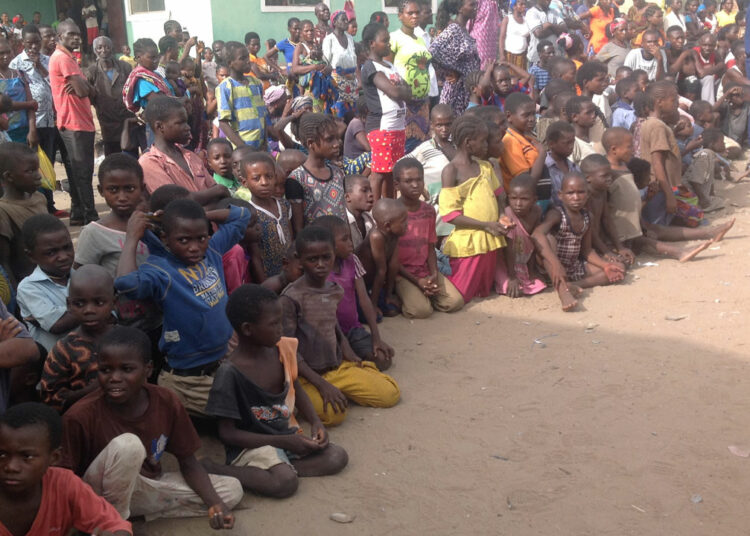
Experts Urge Northern Governors to Fund School Feeding and Early LearningEducation experts and international organizations have issued an urgent call to the governors of Kano, Katsina, and Jigawa states to drastically increase funding for the education sector, as new data reveals these three states lead the country in the number of out-of-school children.
The plea follows a report released by UNICEF on Sunday, May 3, 2026, which confirmed that Nigeria now accounts for 18.3 million out-of-school children—the highest figure globally.
The Crisis in Figures
According to the latest data and expert analysis presented during an education summit in Kaduna:
- The “Top Three” Burden: Kano, Katsina, and Jigawa were identified as the primary hotspots. These states face a combined challenge of high birth rates, poverty, and insufficient classroom infrastructure.
- Teacher-to-Pupil Gap: Experts highlighted a staggering disparity in personnel. While the global benchmark is 1 teacher to 25 children, Katsina currently reports a ratio of 281:1, and Kano follows closely at 271:1.
- Early Childhood Education (ECE): A critical factor identified was the lack of investment in early learning. In some of these states, only a small fraction of children aged 3–5 have access to organized pre-primary education.
Why Funding is Stalling
Experts pointed to several systemic issues that current state budgets are failing to address:
- Overstretched Infrastructure: Many schools in these states are described as “not adequate” or “critically overcrowded,” leading to high dropout rates.
- Societal Pressures: Without government-funded incentives, families in rural areas often prioritize immediate labor or early marriage over schooling.
- Budget Execution: While budgets are often announced, experts noted that the actual release of funds for school feeding programs and teacher training remains inconsistent.
The Expert Recommendations
To reverse this trend before the 2027 academic cycle, the following steps were urged:
Digital Enrollment: Implementing a digital tracking system to identify and re-enroll children who have dropped out due to economic shocks.
Mandatory 20% Allocation: States should move toward allocating at least 20% of their annual budgets to education, specifically targeting rural primary schools.
Early Intervention: Prioritizing Early Childhood Development (ECD) to ensure children are prepared for formal schooling by age six.