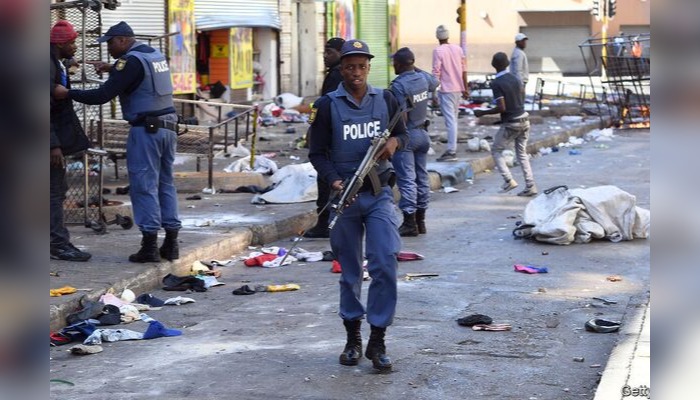
The diplomatic relationship between Nigeria and South Africa has reached a critical breaking point following a violent wave of xenophobic attacks and alleged extrajudicial killings. On Tuesday, May 5, 2026, the Nigerian Senate moved from condemnation to direct action, resolving to send a high-level joint delegation to South Africa to demand accountability.
The crisis, which escalated in late April, has seen Nigerian nationals targeted by both vigilante mobs and, most disturbingly, local security personnel.
The Toll: Deaths and Evacuations
The Nigerian Consulate in Johannesburg confirmed that at least two Nigerians were killed in separate incidents involving South African security forces last month:
- Amaramiro Emmanuel: Died on April 25 from injuries allegedly sustained during a brutal beating by members of the South African National Defence Force (SANDF) in Port Elizabeth.
- Nnaemeka Andrew: Found dead at the Pretoria Central Mortuary on April 20 following an encounter with the Tshwane Metro Police.
- Evacuation: Minister of Foreign Affairs Bianca Odumegwu-Ojukwu confirmed that 130 Nigerians have officially registered for voluntary evacuation as of May 4. Free repatriation flights, coordinated with the Nigerian Citizens Association in South Africa (NICASA), are currently being processed.
Senate “Bite” and ECOWAS Probe
During a heated plenary, the Senate’s reaction shifted toward a “tougher” stance:
- Direct Engagement: The National Assembly is forming a joint ad hoc committee to visit the South African Parliament. They aim to formally convey Nigeria’s displeasure and review the 2019 Bilateral Agreements that were meant to prevent such recurrences.
- Economic Threats: Senator Adams Oshiomhole went as far as suggesting the revocation of licenses for South African giants like MTN and DStv, arguing that Nigeria should “bite in a manner that they will be the one begging,” though Senate President Akpabio urged a focus on high-level diplomacy first.
- Regional Pressure: ECOWAS and the African Commission on Human and Peoples’ Rights have announced independent investigations, condemning the “barbaric” profiling of Africans and urging Pretoria to prosecute the perpetrators, including security officials.
The “Early Warning” Mechanism
Despite a Memorandum of Understanding (MoU) on an “early warning mechanism” signed recently, Nigerian officials expressed frustration that the system failed to protect citizens during the April 27–29 protests in Pretoria and Johannesburg. The government has reminded South Africa of Nigeria’s historic role in the anti-apartheid struggle, warning that “brotherly ties” cannot survive continued blood spillage