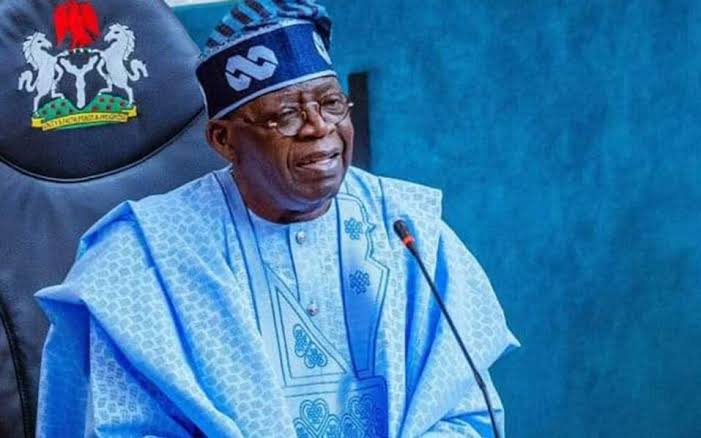
President Bola Tinubu has strongly defended his administration’s economic interventions and aggressive backing of industrial giants like the Dangote Group and BUA Group. Speaking at the 2026 Africa CEO Forum in Kigali, Rwanda, the President emphasized that targeted state support for massive domestic infrastructure and manufacturing players is essential for national stability and economic independence.
Addressing an audience of over 2,000 business leaders, investors, and policymakers, Tinubu highlighted his administration’s landmark decision to supply crude oil to local refineries, including the Dangote Petroleum Refinery, in Naira. He described the policy as a deliberate, strategic masterstroke designed to eliminate predatory foreign exchange bureaucracy, conserve external reserves, and structurally alter Nigeria’s economic trajectory.
Key Highlights from the President’s Address
- Bypassing the FX Trap: Tinubu argued that executing crude sales in the local currency isolates the domestic energy sector from volatile global dollar fluctuations, bringing long-term predictability to local fuel pricing.
- Defending “National Champions”: Responding to subtle criticisms regarding monopolistic tendencies, the President maintained that supporting heavyweights like Aliko Dangote and Abdul Samad Rabiu (BUA) is vital for industrial scale. He stated that African nations must cultivate and protect their own “national champions” to compete globally.
- The “Scale Imperative”: Aligning with the forum’s central theme (“The Scale Imperative: Why Africa Must Embrace Shared Ownership”), Tinubu urged African heads of state to prioritize domestic production capacity over a reliance on imports, which he noted leaves the continent vulnerable to external supply chain shocks.
- Holding the Line on Reforms: Delivering his keynote address, the President reiterated his commitment to painful but necessary macroeconomic policies—such as currency floating and subsidy rationalization—reassuring investors that Nigeria remains a secure and lucrative destination for private capital.