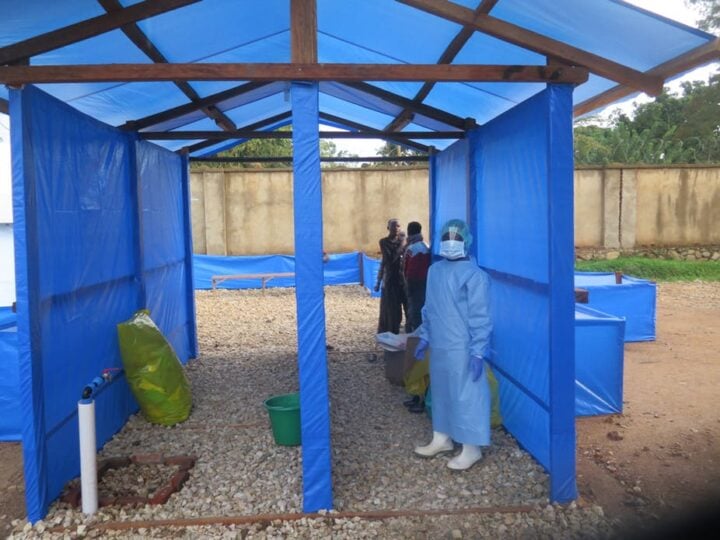
The Nigeria Centre for Disease Control and Prevention (NCDC) has activated emergency preparedness protocols and drastically tightened surveillance across all major international airports, seaports, and land borders. The aggressive defensive measures follow an official declaration by the World Health Organization (WHO) designating the rapidly expanding Ebola Virus Disease (EVD) outbreak in the Democratic Republic of Congo (DRC) and Uganda as a Public Health Emergency of International Concern (PHEIC).
In an urgent public health advisory signed by NCDC Director-General Dr. Jide Idris, the agency ordered State Ministries of Health to immediately overhaul their health emergency architectures and place Public Health Emergency Operations Centres (PHEOCs) on high alert. Operating in close coordination with Port Health Services, authorities have reinforced strict passenger screening, digital traveler health declarations, and isolation referral networks at all points of entry to catch potential imported cases. The current outbreak is particularly concerning to global health experts because it is driven by the rare Bundibugyo strain of the virus, for which there are currently no licensed vaccines or specific therapeutics, unlike the more common Zaire strain.
While the NCDC reassured the public that Nigeria has not recorded any suspected or confirmed cases of Ebola associated with this regional spike, healthcare workers nationwide have been urged to maintain a “high index of suspicion” for febrile illnesses—especially in patients with recent travel histories to East or Central Africa. Alongside border screening, the NCDC is distributing Ebola readiness checklists to health facilities, pre-positioning personal protective equipment (PPE), and mandating states to rapidly designate and stock isolation centers to ensure the country remains fully insulated from a potential breach.