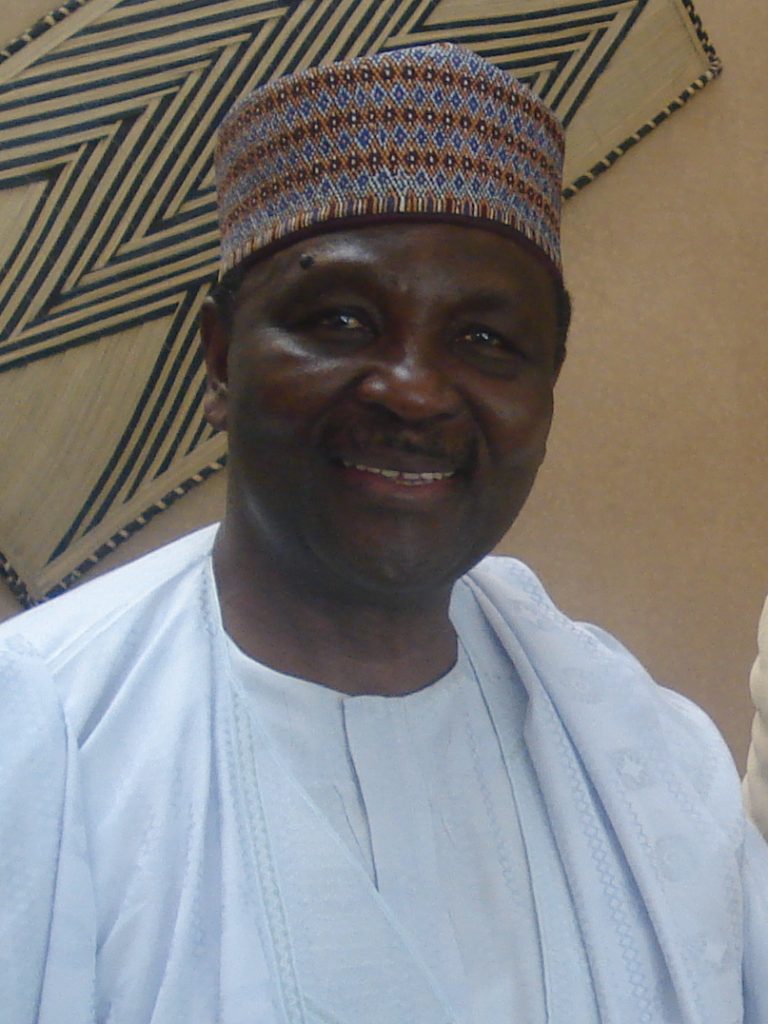
Nigeria’s wartime Head of State, General Yakubu Gowon, has driven a massive wedge into the country’s historical discourse, publicly accusing the late Biafran leader, Chukwuemeka Odumegwu Ojukwu, of deliberately twisting the resolutions of the iconic 1967 Aburi Accord to justify secession.
The rare, high-profile intervention from the 91-year-old elder statesman has instantly reopened decades-old debates across social media, drawing sharp lines between modern historical analysts, civil war revisionists, and geopolitical commentators.
The Root of the Fallout: Regional Vetoes vs. National Unity
Reflecting on the final, desperate diplomatic effort hosted in Ghana to avert the Nigerian Civil War, Gowon clarified that the federal delegation never signed off on a loose confederation or a fragmented military command.
He asserted that Ojukwu’s subsequent public broadcast to the Eastern Region was a unilateral, highly strategic interpretation designed to systematically strip the central government of its sovereign powers. According to the former military ruler, the ultimate breaking point of the accord rested entirely on control over the armed forces.
“What was presented by Ojukwu as the Aburi Accord was, in reality, his own interpretation of our discussions. Ojukwu’s interpretation of the Aburi Accord would have weakened the authority of the Federal Government and left the country too fragile to survive as one nation. He wanted regional governors to have total control over military zones, which would allow a region to secede. The only thing I insisted on was that no region can secede from the country.”
— General Yakubu Gowon
Deconstructing the Aburi Disagreement
The failure of the January 1967 peace talks in Aburi remains one of the most heavily scrutinized turning points in West African history, directly preceding the outbreak of the bloody 30-month civil war in July of that year.
| General Gowon’s Position | Colonel Ojukwu’s Historic Counter-Stance |
| Insisted on a unified military command structure; argued that regional vetos on national security would render the country ungovernable. | Maintained that the accord agreed to a highly decentralized system, famously declaring “On Aburi We Stand.” |
| Argued that subsequent federal legislation (Decree No. 8) captured the true essence of the meeting while safeguarding national sovereignty. | Rejected Decree No. 8, claiming the federal government had fundamentally defaulted on the signed agreements. |
Gowon’s blunt reassessment has ignited an absolute firestorm on digital platforms, with thousands of Nigerians fiercely debating whether the war could have been avoided had the details of the accord been implemented differently. While some older-generation stakeholders commend Gowon for clarifying the structural vulnerabilities of Ojukwu’s demands, younger demographics and regional advocates argue that a true confederation is exactly what Nigeria needed—and still needs—to navigate its complex ethno-political landscape.