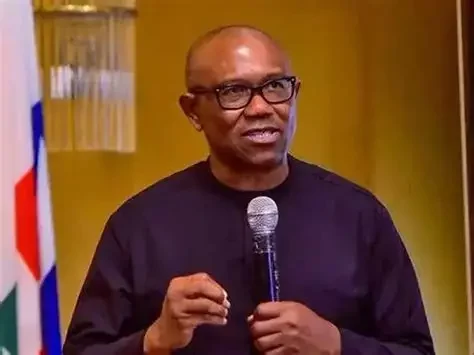
Former presidential candidate Peter Obi has once again pointed fingers directly at the political class, describing politicians as the single greatest barrier to Nigeria’s growth and blaming leadership failures for the nation’s compounding crises.
Speaking at a youth conference in Abuja organized by Rev. Fr. John Chinenye Oluoma of the Abuja Archdiocese, the prominent statesman maintained that Nigeria’s persistent socioeconomic problems stem from poor governance and a lack of political will, rather than a shortage of resources.
In a follow-up statement released on Wednesday, May 27, 2026, by his media spokesman, Ibrahim Umar, Obi characterized self-serving politicians as the “Goliaths” holding back the nation. He urged young Nigerians to rise to the challenge and take ownership of transforming the country’s trajectory.
“The Goliaths in Nigeria’s political landscape are politicians who divert public resources for personal gain and refuse to prioritize the country’s interests. Nigeria is not a poor country; it is poorly governed. The truth is that we, the politicians, are often the problem. Critical sectors such as security, power, healthcare, and education continue to struggle solely due to poor leadership and mismanagement.”
The Structural Deficit: Favouring Politics Over Governance
Obi expressed deep concern that instead of aggressively confronting pressing national emergencies—such as the volatile security situation, rising unemployment, and high inflation—the ruling class remains heavily distracted. He noted that the political establishment, particularly within the All Progressives Congress (APC), appears entirely consumed by election calculations and welcoming cross-party defectors ahead of the 2027 general elections.
The former Anambra State governor argued that the questions raised by the young participants at the Abuja conference reflected a profound, systemic anxiety over deteriorating basic infrastructure and survival. He highlighted that while the country’s combined government revenue remains substantial, everyday Nigerians have yet to feel any meaningful relief or improvement in their quality of life.
While delivering his sweeping critique of national governance, Obi notably offered a change of tone during a separate engagement at the Cathedral of St. Peter in Ibadan. He lauded Oyo State Governor Seyi Makinde for showing “purposeful leadership,” arguing that the visible infrastructure progress in Oyo proves that governance can deliver tangible results when driven by public sincerity.
The opposition leader’s latest verbal onslaught has re-ignited intense, highly polarized debates across social media platforms like X (Twitter). While his loyal base of youth supporters are strongly validating his stance—re-sharing his call for a new leadership consensus anchored on character and competence—critics from the ruling party are pushing back, accusing Obi of employing “analysis paralysis” and using repetitive blame-rhetoric as a permanent campaign strategy rather than offering concrete, structural solutions.