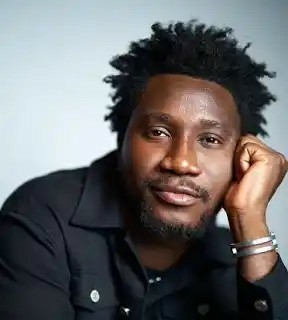
Nigerian content creator, comic actor, and singer Lawal Michael Nasiru Bolaji, popularly known as Nasboi, has urged Nigerians to stop aggressive internet call-outs against celebrities who choose to stay quiet on national and political issues, reminding fans that public figures are human beings with their own fears.
The passionate appeal, breaking on Thursday, May 28, 2026, was made via his official account on X (formerly Twitter). Nasboi called on the public to heavily reflect on the intense psychological and physical consequences faced by the few entertainers who actually muster the courage to speak out, only to be abandoned and mocked by the same masses they defended.
The Mr Macaroni Example: A Case of Public Betrayal
To drive his point home, the “Lover Boy” crooner pointed directly to his colleague and popular activist-comedian, Debo Adedayo (Mr Macaroni). Nasboi highlighted how Macaroni was brutally harassed, arrested, and physically mistreated by security agencies for constantly championing the cause of ordinary citizens, only for a section of the public to turn around and subject him to relentless online insults and cyberbullying.
According to Nasboi, other celebrities closely monitor these toxic patterns, creating a chilling effect where many decide that risking their safety, brand endorsements, and peace of mind is simply not worth the eventual public backlash.
“People wey get sense, make we reason this matter. Una dey always drag celebrities for not speaking up, but make I remind una of Mr Macaroni. See how dem maltreat am just because he spoke up for everybody. Yet na still people mock am and insult am. You think say other celebrities no dey see all those things? No be everybody get mind to talk. You have to accept that.”
Political Indifference vs. Forced Activism
Nasboi further argued that just as there are millions of ordinary Nigerians who have absolutely zero interest in politics and prefer to focus on their personal survival, the same freedom of choice should be extended to the entertainment community.
He maintained that holding a microphone or possessing a massive social media following does not automatically turn an artist into an activist, and no one should be bullied into taking political stances they are not comfortable with.
The skit maker’s blunt commentary has immediately ignited a fierce, highly polarized debate across Nigerian digital spaces. While a cross-section of social media users are validating his point—agreeing that Nigerians often fail to protect their own heroes—critics are fiercely pushing back, arguing that public figures who enjoy massive wealth and influence off the backs of the masses owe a moral obligation to use their platforms to speak truth to power during times of national hardship.