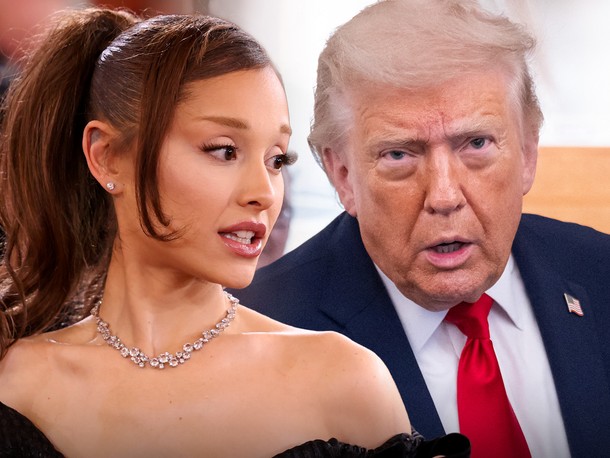
Global pop superstar Ariana Grande has dropped a legal and cultural bombshell, fiercely blasting the United States government and demanding the immediate removal of her chart-topping music from an official federal immigration promotional campaign.
The blockbuster controversy ignited after the U.S. Department of Homeland Security released a highly publicized digital media drive aimed at promoting new border enforcement and immigration tracking frameworks. Bypassing standard licensing channels, the federal agency used Grande’s iconic, multi-platinum hit single “Break Free” as the primary acoustic backdrop for a promotional video highlighting immigrant detention facilities and security deportations. The 32-year-old vocal powerhouse moved with lightning speed, taking to her official digital platforms to express her raw disgust, aggressively pulling absolutely no punches against the state apparatus.
“Do not use my music, my voice, or my brand to promote structural cruelty, division, and the tearing apart of innocent families,” Grande stated in a deeply emotional, screen-gluing public statement that has instantly set political and entertainment networks completely ablaze. The Grammy-winning artist explicitly revealed that her powerhouse legal team has already issued a high-stakes cease-and-desist mandate to federal authorities, aggressively maintaining that the unauthorized synchronization of her art with controversial state enforcement policies is a severe violation of intellectual property rights and an absolute contradiction of her personal humanitarian values.
Dispute & Campaign Profile
| Metric / Parameter | Details |
| Artist | Ariana Grande (Global Pop Superstar) |
| Federal Agency Involved | U.S. Department of Homeland Security (DHS) |
| Song Exploited | “Break Free” (Multi-Platinum Hit Single) |
| Core Conflict | Unauthorized use of music in a federal immigration video |
| Legal Action | Immediate Cease-and-Desist Mandate / Threat of Defamation Suit |
The atmospheric tension around the intellectual property battle has reached a boiling point, dropping a heavy reality check on how government agencies source media content for public relations. While conservative policy realists are frantically trying to downplay the incident as a minor licensing oversight by third-party digital creators, an absolute majority of neutral realists, global music purists, and passionate human rights advocates are heavily swarming the timeline, cheering the pop diva for her unwavering courage to stand tall against state overreach.
This explosive clash between celebrity activism and federal immigration policy has instantly split lifestyle, pop-culture, and civic forums wide open, generating a massive avalanche of highly polarized commentary across digital networks. The entire global community remains permanently glued to their screens, waiting to see if the federal government will rapidly pull down the controversial media asset or if Ariana Grande will escalate the feud into a historic, multi-million dollar courtroom showdown!