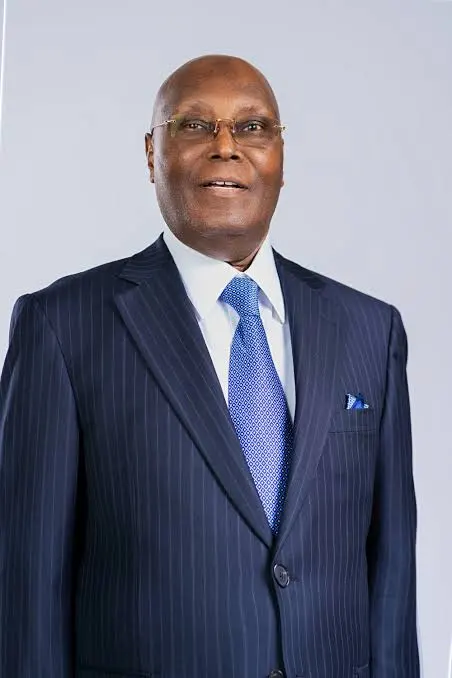
Former Vice President and presidential candidate of the African Democratic Congress (ADC), Atiku Abubakar, has fiercely criticized the Federal Government’s decision to approve a uniform ₦50,000 registration fee for candidates sitting the West African Examinations Council (WAEC) and National Examinations Council (NECO) examinations starting from 2027. In a scathing press statement released on Sunday, July 12, 2026, by his Senior Special Assistant on Public Communication, Phrank Shaibu, Atiku described the sudden fee hike—up from the current rates of roughly ₦27,000 and ₦30,000—as “cruel,” “economically insensitive,” and a direct contradiction of the government’s constitutional duty to provide accessible public education.
Atiku warned that clamping a heavy financial burden onto families already suffocating under severe economic hardships—marked by record inflation, high electricity tariffs, soaring food prices, and widespread unemployment—will trigger an explosive crisis in Nigeria’s out-of-school population. Pointing out that the country already carries the tragic global distinction of having between 10.5 million and 15 million children outside the formal classroom system, the former vice president argued that the policy essentially acts as a “systemic filter” designed to block the children of poor and middle-income homes from ever completing secondary school or securing university admission.
“A government that genuinely believes in the future of its people does not erect financial barriers between children and education; it removes them,” Atiku asserted. Taking a direct swipe at President Bola Tinubu’s administration, he noted the deep irony in heavily promoting the Nigerian Education Loan Fund (NELFUND) for tertiary students while simultaneously pricing those same indigent students out of the basic secondary school qualifying examinations required to get there. He concluded by challenging the presidency to shelf the ₦50,000 uniform exam policy, reverse the recent hikes in Federal Unity College fees, and aggressively invest in public academic infrastructure to bring vulnerable children back into the classroom.