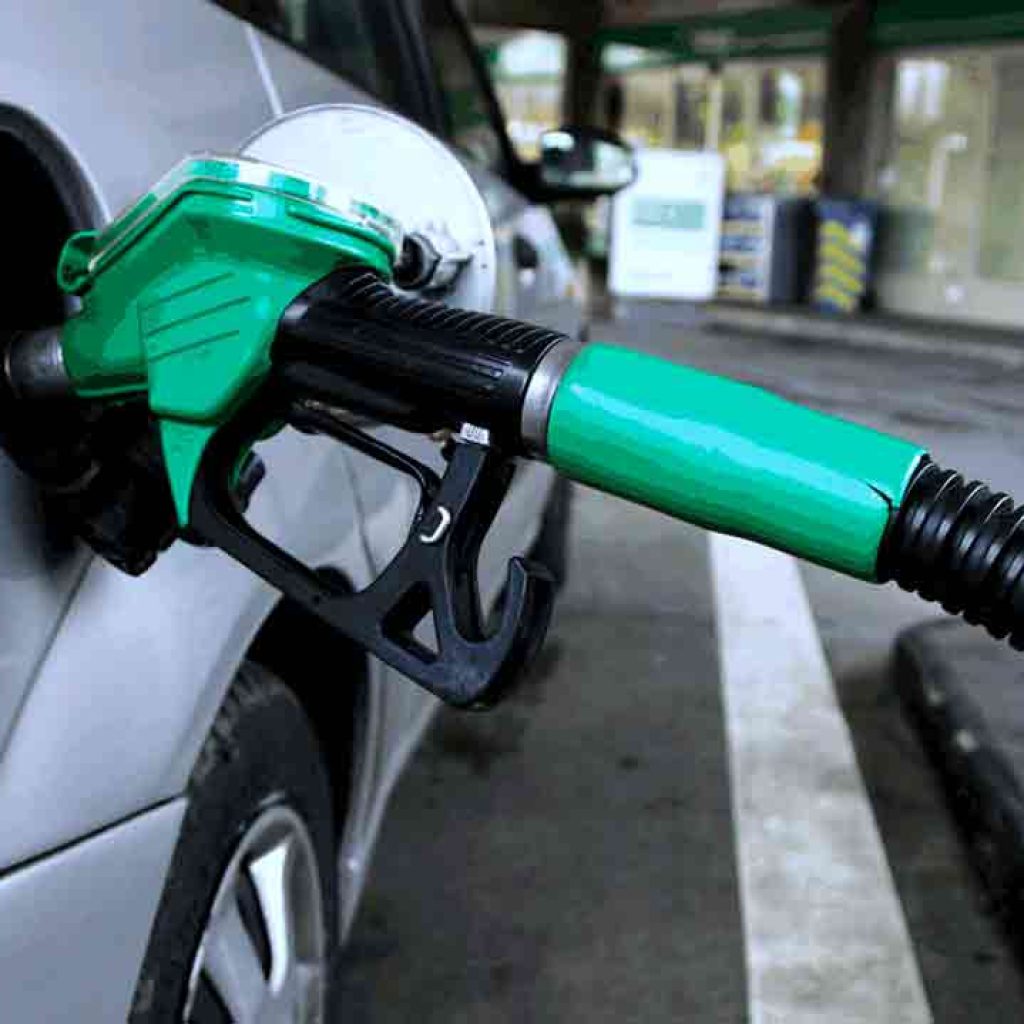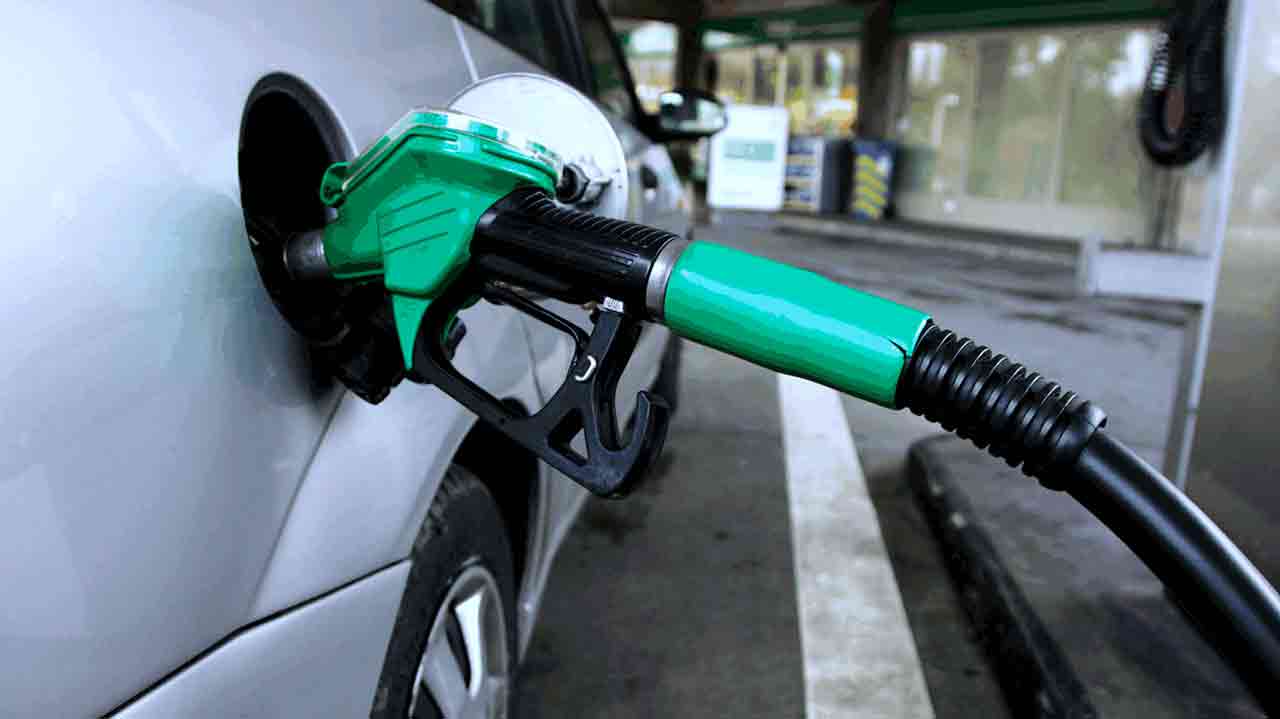
The landing cost of imported Premium Motor Spirit, commonly known as petrol, has increased by 15 percent to N1,135.73 per litre following renewed hostilities in the Middle East that have disrupted global energy markets and raised concerns over crude oil supply. The increase reflects the impact of higher international oil prices, increased freight charges, insurance costs, and market uncertainty driven by the escalating geopolitical situation. Industry analysts say sustained tensions in key oil-producing regions often lead to fluctuations in global crude prices, which directly influence the cost of refined petroleum products imported into Nigeria. The higher landing cost is expected to place additional pressure on fuel marketers, transport operators, businesses, and consumers, with concerns that it could contribute to rising transportation costs and higher prices for goods and services. Energy experts have urged policymakers to closely monitor market developments and implement measures that can reduce the impact of external shocks on the domestic economy. They also stressed the importance of strengthening local refining capacity, improving supply chain efficiency, and expanding investment in the energy sector to reduce dependence on imported petroleum products. Businesses and households are expected to closely watch developments in the international oil market as further changes in global prices could influence future fuel costs across the country. The latest increase highlights the continued link between global geopolitical events and Nigeria’s energy market, reinforcing the need for long-term strategies that enhance energy security, stabilize fuel supply, and protect consumers from persistent price volatility.