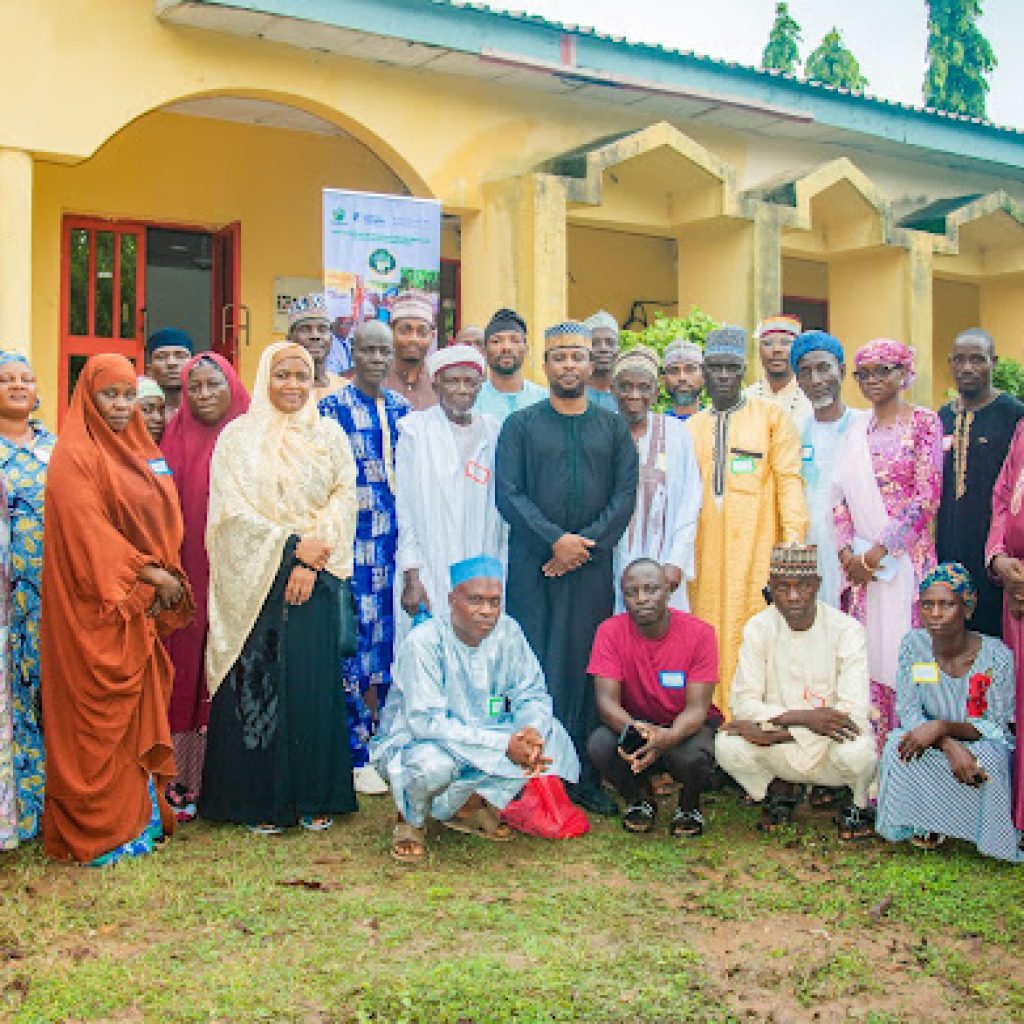
The University of Nottingham has led a high-level dialogue focused on increasing the adoption of improved seeds in Nigeria, bringing together researchers, policymakers, agricultural experts, development partners, and private sector stakeholders to discuss strategies for strengthening food production and enhancing agricultural productivity. Participants emphasized that improved seed varieties have the potential to increase crop yields, improve resistance to pests and diseases, enhance climate resilience, and support food security for millions of Nigerians. The discussions explored ways to bridge the gap between agricultural research and practical farming by ensuring that farmers have better access to quality seeds, extension services, financing, and modern farming technologies. Stakeholders noted that while scientific innovations have produced high-performing seed varieties, adoption remains limited in many rural communities due to challenges such as low awareness, limited distribution networks, inadequate funding, and insufficient technical support. The dialogue highlighted the importance of stronger collaboration among universities, government agencies, seed companies, financial institutions, and farming communities to accelerate the delivery of improved agricultural solutions. Experts also stressed that encouraging farmers to adopt certified seeds could contribute significantly to higher incomes, reduced post-harvest losses, and greater national food self-sufficiency. Representatives called for policies that promote agricultural research, innovation, and investment while creating an enabling environment for sustainable farming practices across Nigeria. The University of Nottingham reaffirmed its commitment to supporting collaborative research and knowledge sharing that addresses agricultural challenges and promotes long-term rural development. Participants expressed optimism that sustained partnerships and coordinated action would help transform Nigeria’s agricultural sector, improve productivity, strengthen food systems, and create greater economic opportunities for farmers across the country.