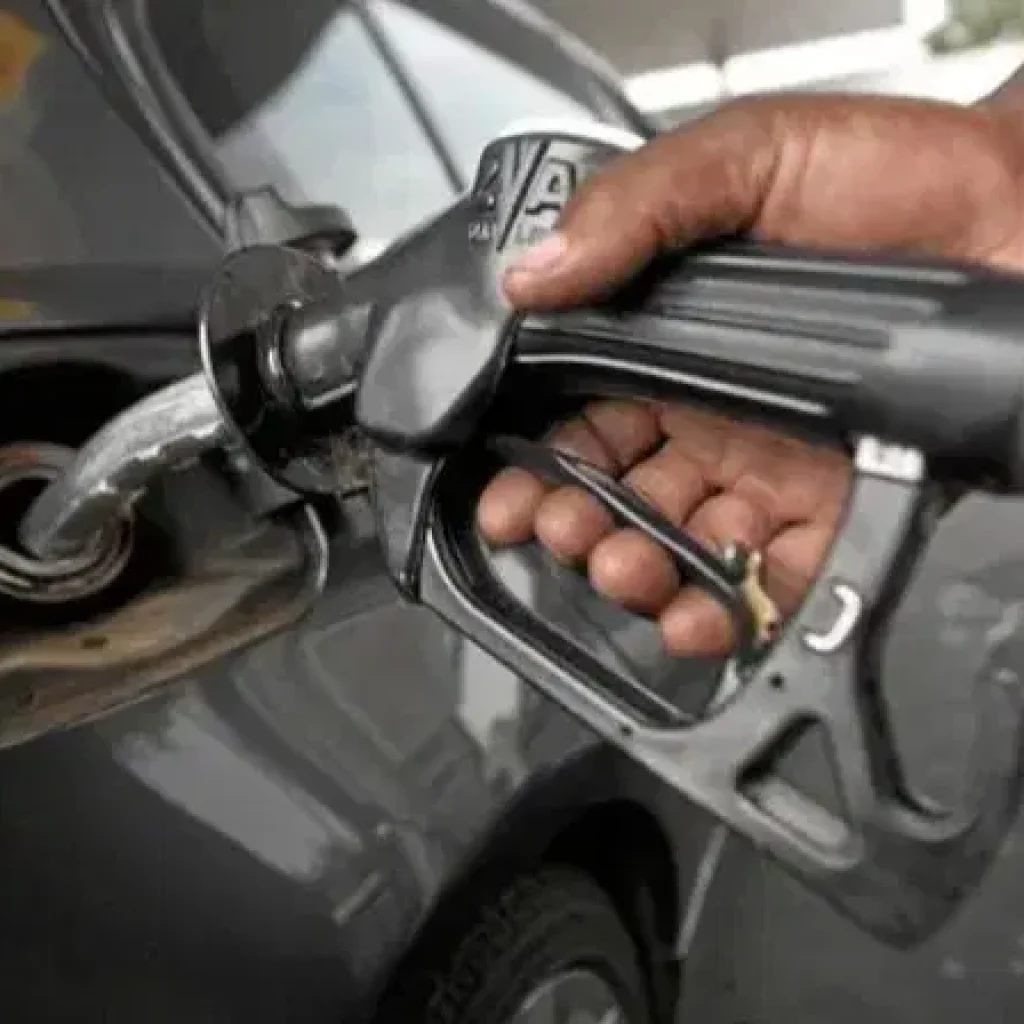
Growing concerns are emerging over the potential impact of rising global crude oil prices after benchmark oil approached the 100 dollars per barrel mark, fueling expectations of increased fuel prices, transportation costs, and food inflation in Nigeria and other import-dependent economies. Energy analysts explained that higher crude oil prices often lead to increased costs for refined petroleum products, which can trigger a chain reaction across the economy as transport operators, manufacturers, farmers, and logistics companies adjust their prices to reflect higher operating expenses. As transportation becomes more expensive, the cost of moving agricultural produce and consumer goods from farms and factories to markets may rise, contributing to higher retail prices for food and essential commodities. Economic experts noted that the situation could place additional pressure on households already facing elevated living costs, while businesses may also experience increased production and distribution expenses. They added that sectors such as manufacturing, aviation, haulage, and public transportation are particularly vulnerable to fluctuations in global oil prices. Financial analysts observed that although higher crude prices can boost government revenue for oil-producing countries like Nigeria, the overall economic impact depends on factors including exchange rates, domestic fuel pricing policies, refining capacity, and fiscal management. Stakeholders have called for measures to strengthen local refining, improve energy efficiency, expand alternative transportation options, and support food production to reduce the effects of global energy price volatility. They also emphasized the need for policies that protect vulnerable households while maintaining economic stability. As global energy markets continue to respond to geopolitical developments, supply dynamics, and international demand, consumers, businesses, and policymakers will be closely monitoring oil price movements and their potential implications for inflation, economic growth, and the overall cost of living.