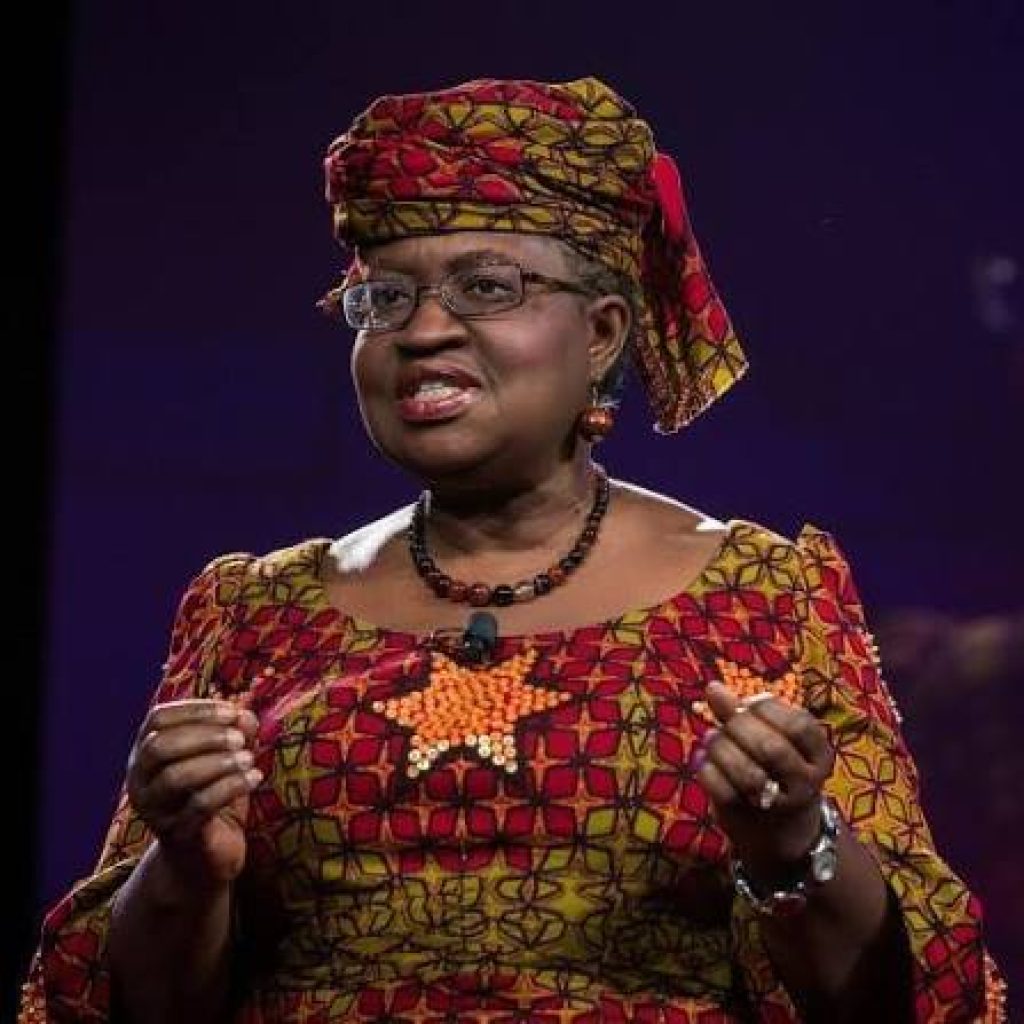
Dr. Ngozi Okonjo-Iweala has recounted how the administration of former President Olusegun Obasanjo successfully negotiated a landmark debt relief package worth approximately $30 billion for Nigeria, describing the achievement as one of the country’s most significant economic milestones. Speaking on the process, Okonjo-Iweala explained that the negotiations required strong political commitment, disciplined economic reforms, strategic diplomacy, and sustained engagement with international creditors. She noted that the debt relief agreement was the result of years of fiscal restructuring, improved economic management, transparency measures, and efforts to restore confidence in Nigeria’s economy. According to her, the successful negotiations enabled the country to significantly reduce its external debt burden, creating additional fiscal space for investments in infrastructure, education, healthcare, poverty reduction, and other key sectors of national development. She emphasized that the achievement demonstrated the importance of credible leadership, sound economic policies, and constructive international partnerships in addressing complex financial challenges. Economists and policy analysts have continued to reference the debt relief as a turning point that improved Nigeria’s macroeconomic outlook and enhanced investor confidence during that period. They also stressed that maintaining fiscal discipline, responsible borrowing, prudent debt management, and economic diversification remain essential for sustaining long-term growth and financial stability. The reflections have renewed discussions about Nigeria’s current debt profile, public finance management, and strategies for promoting sustainable economic development. As the country continues to pursue economic reforms, stakeholders believe the lessons from the debt relief negotiations remain relevant for strengthening fiscal resilience, attracting investment, and supporting inclusive growth that benefits citizens across all sectors of the economy.