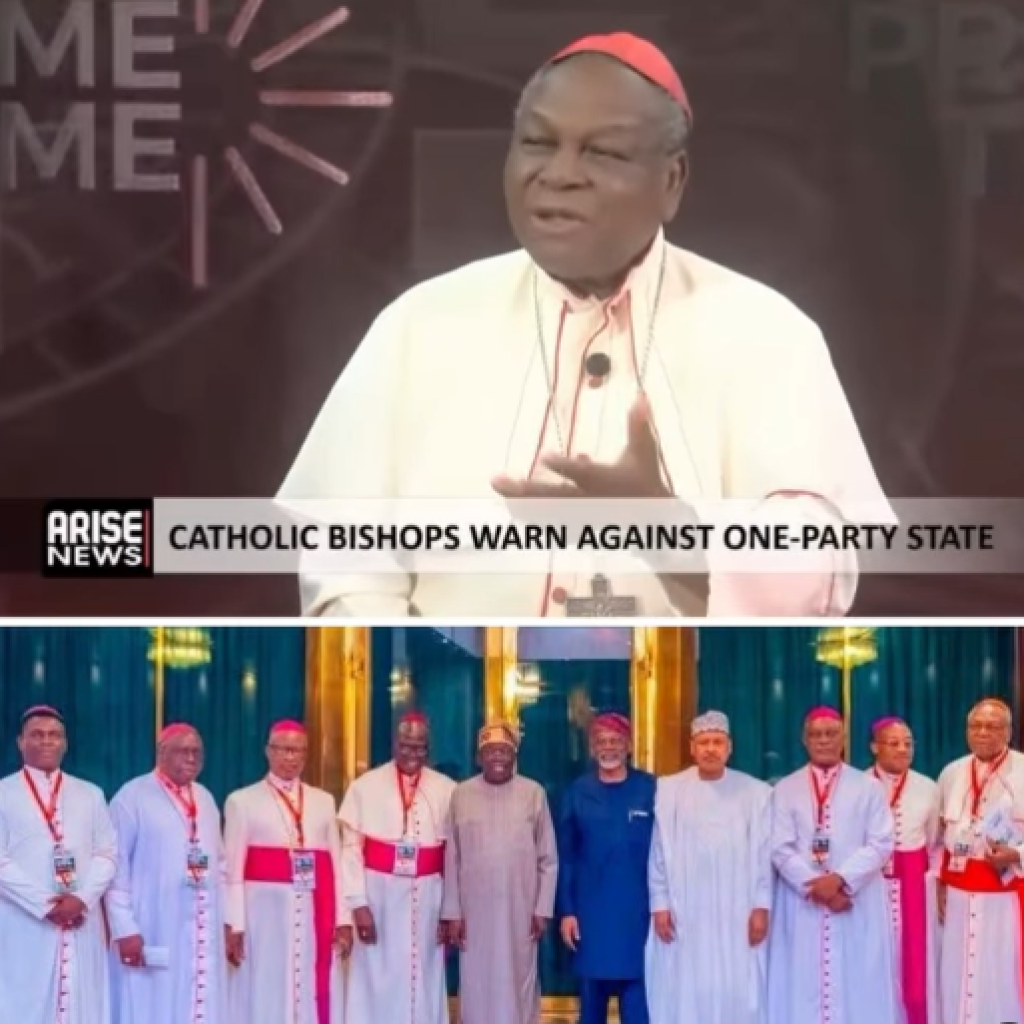
Cardinal John Onaiyekan has disclosed that members of the Catholic Bishops’ Conference used their meeting with President Bola Tinubu to express concerns about the economic challenges facing many Nigerians, particularly the impact on low-income households and vulnerable citizens. According to the cleric, the bishops told the President that many families continue to experience financial hardship as a result of prevailing economic conditions and urged the government to implement policies that provide greater relief and improve living standards. Onaiyekan stated that while the bishops presented their concerns candidly, the President did not fully share their assessment of the situation, leading to an open exchange of views during the discussion. He noted that the meeting was conducted in a respectful atmosphere, allowing both the government and religious leaders to present their perspectives on national issues. The disclosure has generated public discussion about the role of faith-based organizations in contributing to policy conversations and advocating for the welfare of citizens. Economic analysts observed that Nigeria continues to face challenges relating to inflation, the cost of living, employment, and purchasing power, while emphasizing the importance of sustained economic reforms, social protection programmes, and inclusive growth. Civil society groups have also encouraged continued dialogue between government, religious institutions, and other stakeholders as a means of identifying practical solutions to pressing national concerns. Observers believe constructive engagement between public officials and community leaders can help strengthen trust, promote accountability, and encourage policies that address the needs of ordinary Nigerians. As conversations on economic recovery continue, stakeholders have called for collaborative efforts aimed at improving livelihoods, reducing poverty, creating employment opportunities, and fostering sustainable national development.