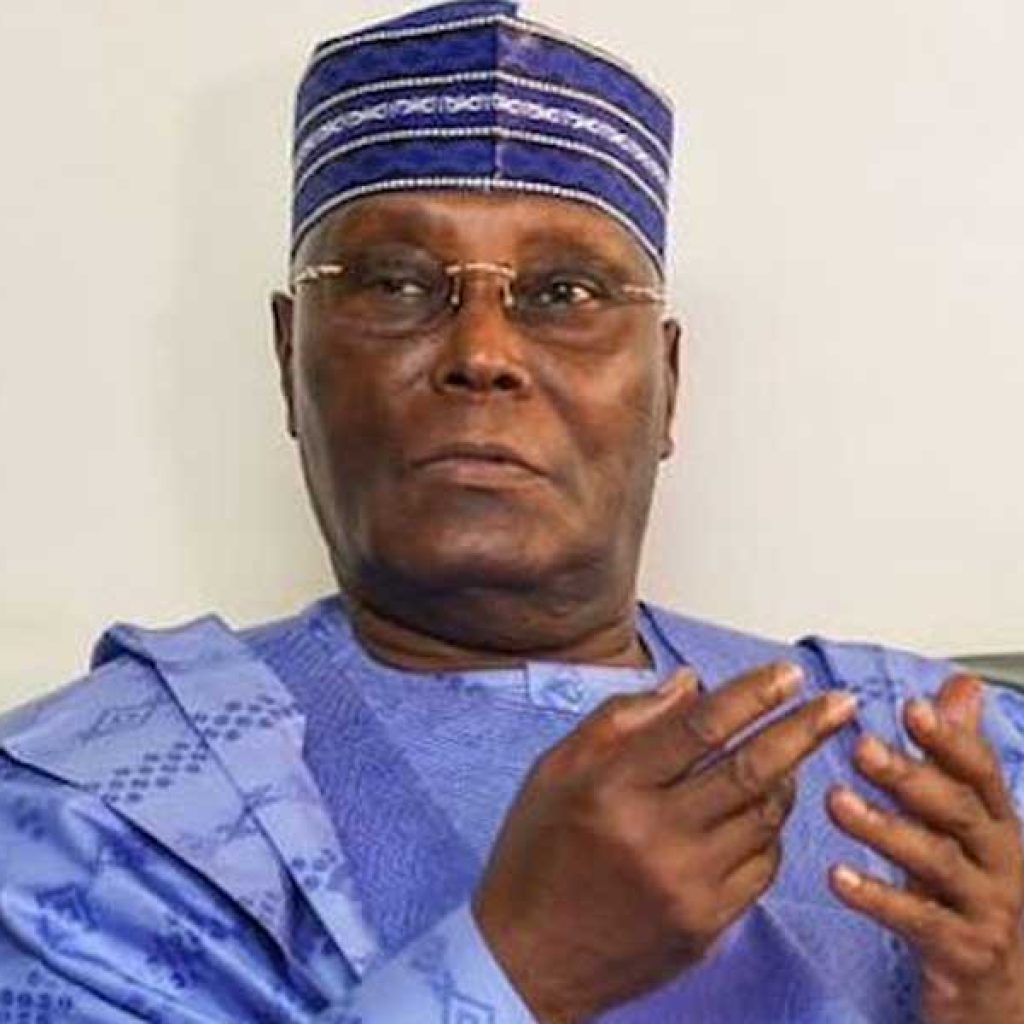
Former Vice President Atiku Abubakar has called on the Federal Government to apologise to the Catholic Bishops Conference of Nigeria (CBCN) over the controversy surrounding the alleged invitation of individuals described as “fake bishops” during a previous official event. Atiku made the remarks while reacting to renewed public discussions about the incident, arguing that an official apology would help address concerns raised by members of the Catholic community and reinforce respect for religious institutions in Nigeria. According to him, religious organisations play a significant role in promoting peace, national unity, and moral values, and interactions with them should be handled with transparency, sincerity, and respect. The former presidential candidate maintained that acknowledging any mistakes made during the incident would demonstrate accountability and strengthen public confidence in government institutions. The controversy, which previously attracted widespread attention, generated differing reactions from political figures, religious leaders, and members of the public, with various stakeholders expressing contrasting views on the circumstances surrounding the event. Political analysts noted that Atiku’s latest comments have revived public interest in the issue as political discourse ahead of future elections continues to gather momentum. They also emphasized that matters involving religion and public institutions require careful handling to preserve harmony in Nigeria’s multi-faith society. Observers have urged political leaders to promote constructive dialogue and avoid actions or statements capable of creating unnecessary divisions among citizens. The Federal Government has previously responded to issues surrounding the controversy, while the Catholic Bishops Conference has consistently maintained its position on the matter. As discussions continue, many stakeholders believe mutual respect, responsible leadership, and open communication remain essential to strengthening national unity and fostering peaceful coexistence among Nigeria’s diverse religious communities.