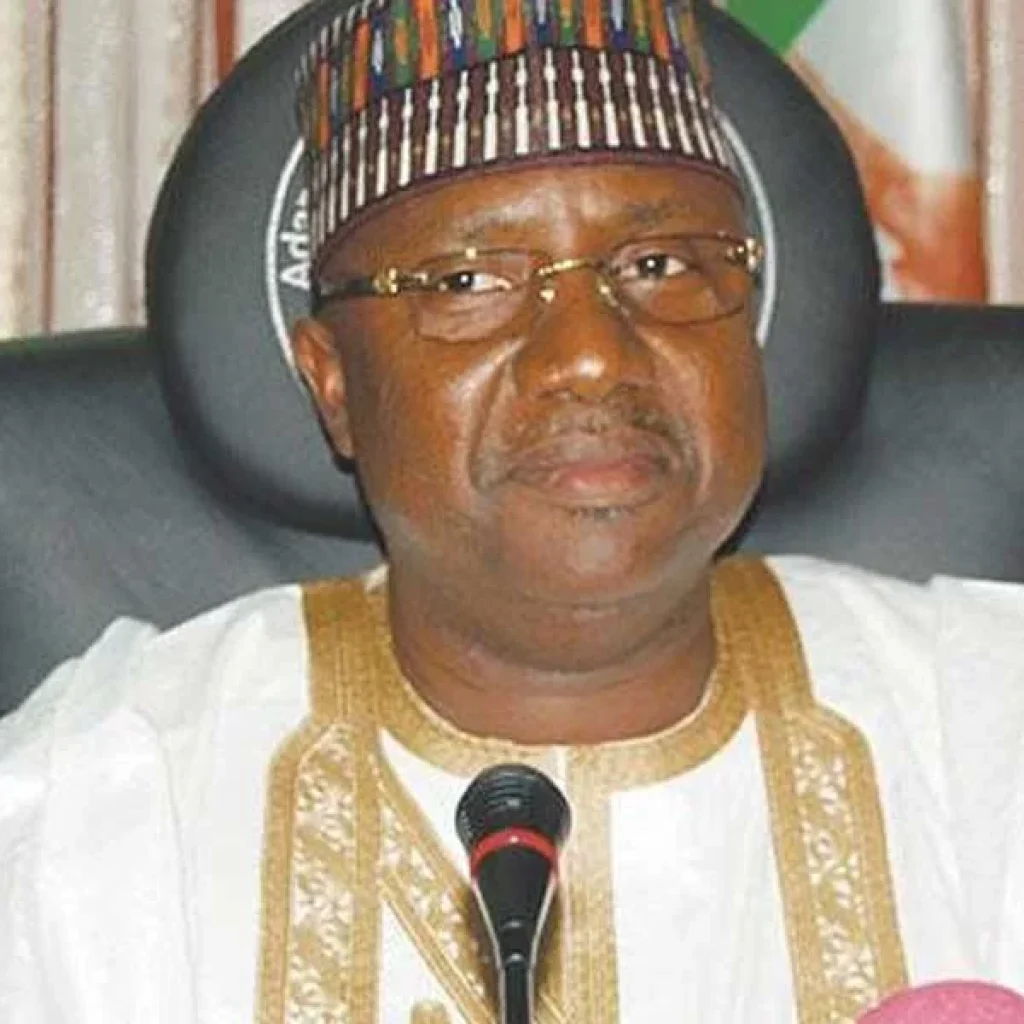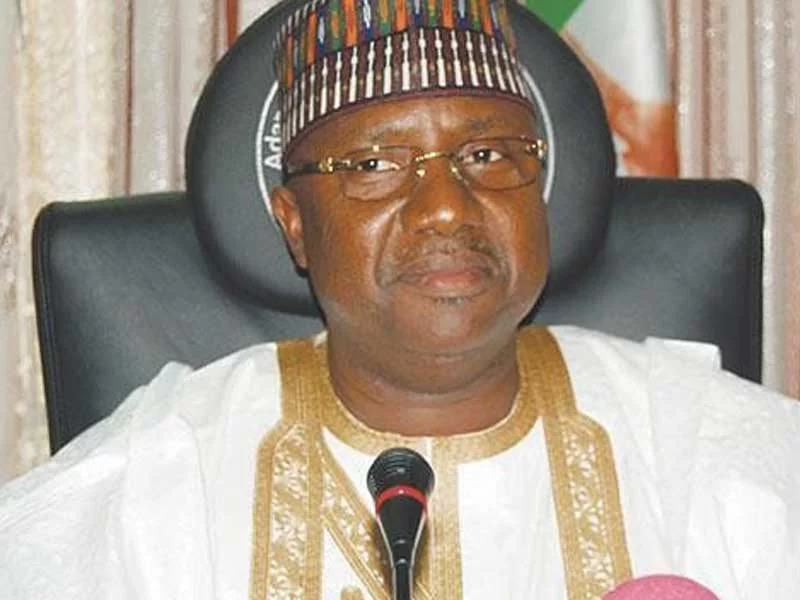
Former Adamawa State Governor Umaru Jibrilla Bindow has resigned from the African Democratic Congress (ADC), marking a significant development in Nigeria’s evolving political landscape ahead of future electoral activities. Bindow announced his decision in a resignation letter, bringing an end to his membership of the party after a period of political engagement within its ranks. Although the former governor has not publicly outlined all the reasons behind his departure, political observers believe the move may influence political alignments and consultations in Adamawa State and beyond as preparations for future elections continue. His resignation has attracted attention from party members, political stakeholders, and analysts who are closely monitoring shifts in party affiliations across the country. Bindow previously served as governor of Adamawa State and remains an influential political figure with an established support base in the state. Analysts noted that the resignation could trigger fresh political realignments as parties continue efforts to strengthen their structures and attract experienced politicians ahead of upcoming electoral contests. They added that defections and resignations have become common features of Nigeria’s political environment, often reflecting strategic decisions by politicians seeking new platforms or alliances. The African Democratic Congress has continued to participate actively in Nigeria’s democratic process, while political parties across the country remain engaged in consultations, membership drives, and organisational restructuring. Stakeholders have emphasized the importance of peaceful political participation, issue-based campaigns, and respect for democratic principles regardless of party affiliation. As speculation continues regarding Bindow’s next political destination, many observers expect further announcements in the coming weeks as political activities gradually intensify. The development highlights the dynamic nature of Nigeria’s political landscape as leaders and parties position themselves for future electoral opportunities and governance responsibilities.