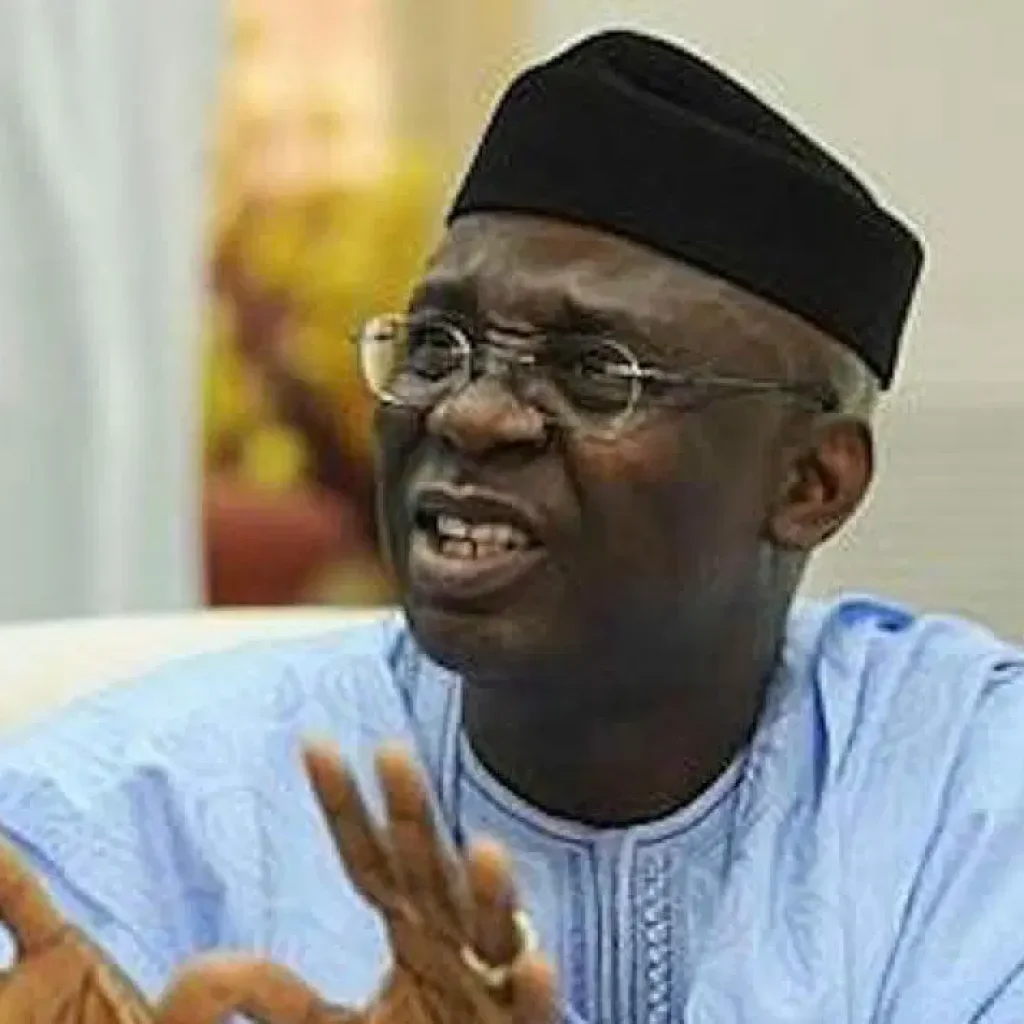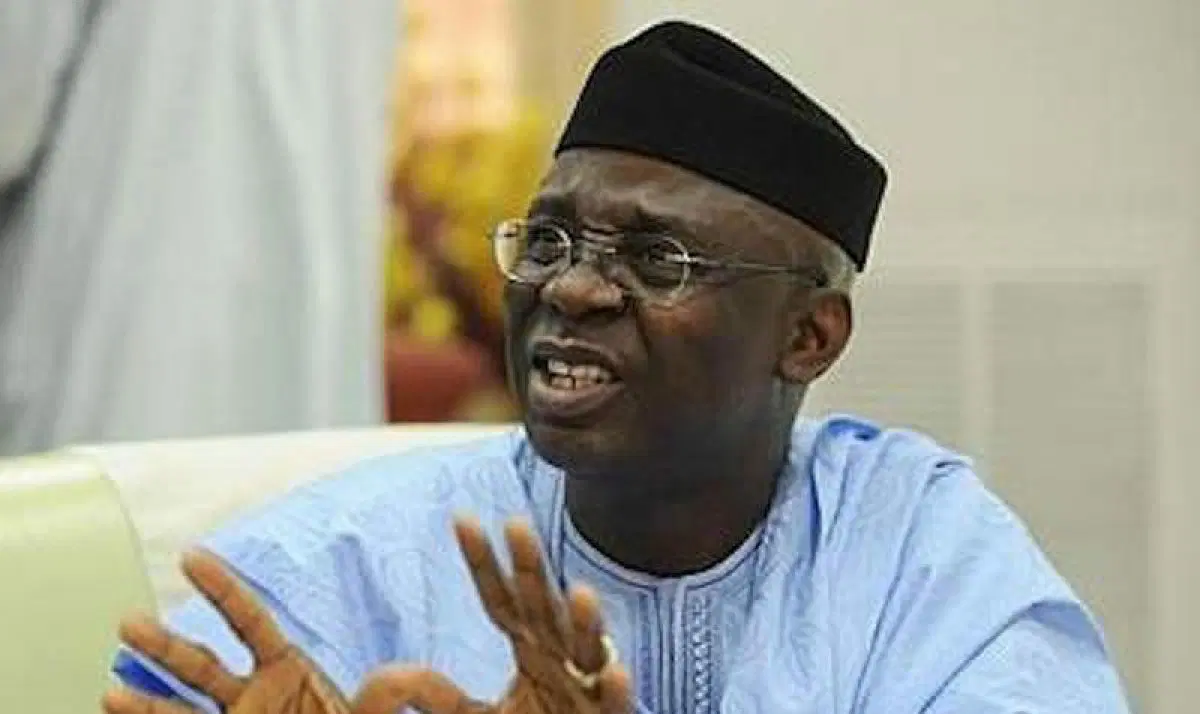
Serving Overseer of the Citadel Global Community Church, Pastor Tunde Bakare, has criticised the style of leadership in Nigeria, saying some leaders have governed in ways that weaken institutions and undermine national development. Speaking during a public address, Bakare likened certain leadership practices to the destructive nature of termite colonies, arguing that poor governance, weak accountability, and the misuse of public resources have contributed to many of the country’s economic and social challenges. He stressed that Nigeria requires leaders who are committed to integrity, transparency, competence, and selfless service, rather than personal or political interests. According to him, sustainable national progress can only be achieved when those entrusted with public office prioritise the welfare of citizens, strengthen democratic institutions, and uphold the rule of law. Bakare urged political leaders at all levels to embrace reforms that promote justice, economic growth, quality education, improved healthcare, and enhanced security, adding that the country’s enormous human and natural resources should be managed for the benefit of all Nigerians. Political analysts observed that the cleric’s comments reflect longstanding public conversations about governance, leadership, and accountability in the country. They noted that religious leaders have often contributed to national discourse by encouraging ethical leadership and calling for policies that address poverty, unemployment, insecurity, and corruption. Civil society groups also emphasised the importance of constructive engagement between government and citizens in promoting good governance and democratic accountability. Bakare encouraged Nigerians to remain hopeful despite current challenges, urging citizens to continue participating in the democratic process and demanding responsible leadership through lawful and peaceful means. He maintained that with visionary leadership, institutional reforms, and collective commitment, Nigeria possesses the capacity to overcome its present difficulties and achieve lasting peace, prosperity, and national development.