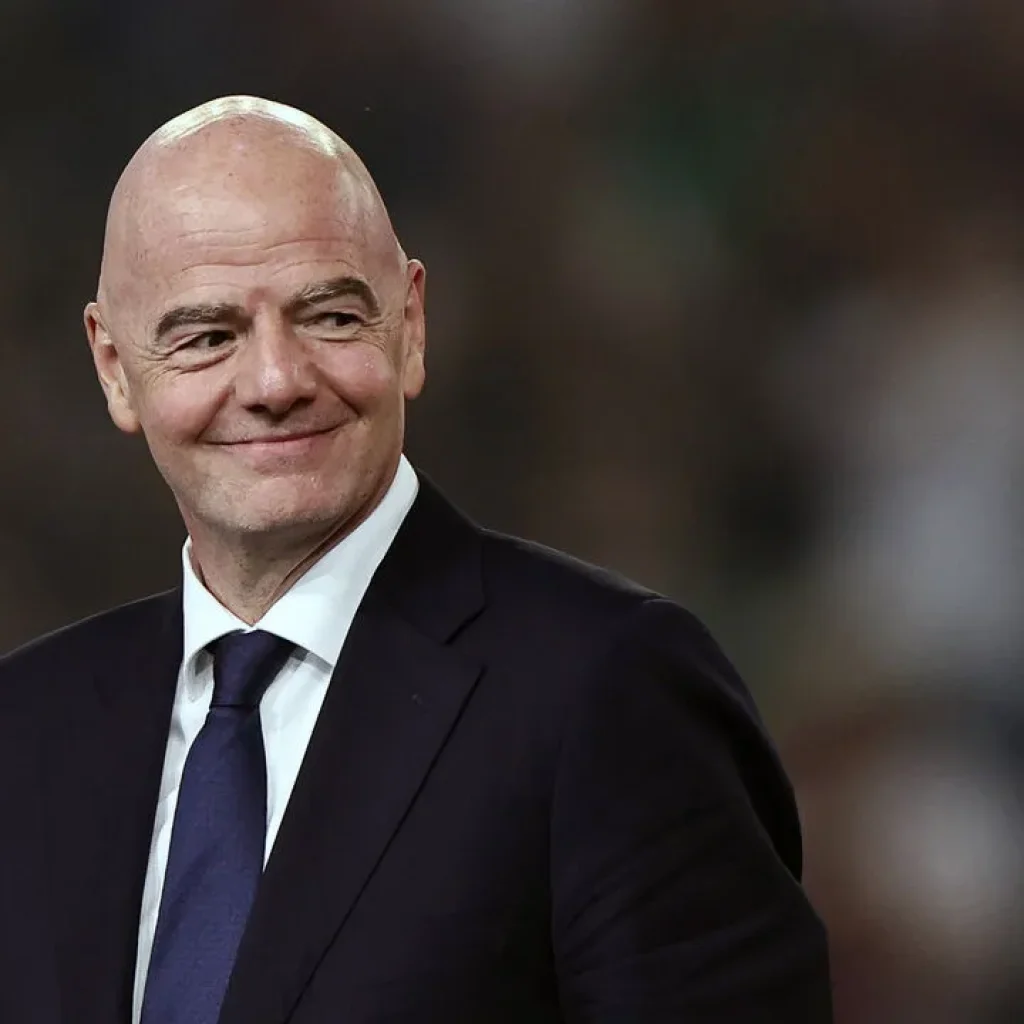
The leadership of the Fédération Internationale de Football Association (FIFA) is facing renewed scrutiny after three national football federations reportedly withdrew their support for FIFA President Gianni Infantino, a development that has intensified discussions about the organisation’s future direction and governance. According to reports, the federations expressed dissatisfaction over a range of issues relating to FIFA’s administration, prompting calls for greater transparency, accountability, and broader consultation in decision-making. Although the specific reasons behind each federation’s position may differ, the move has sparked fresh debate within the global football community about leadership, institutional reforms, and the management of the world’s governing body for football. Sports analysts noted that support from member associations plays a vital role in FIFA’s leadership structure, as the organisation’s policies and leadership decisions are heavily influenced by its member federations. They explained that any shift in support among national associations could have implications for future governance discussions, elections, and policy reforms within international football. Despite the reported withdrawals of support, FIFA continues to oversee global football competitions, development programmes, and regulatory activities involving more than 200 member associations worldwide. Football stakeholders have called for constructive dialogue between FIFA and its member federations to address concerns while preserving the unity and stability of the sport. They stressed that good governance, financial transparency, fair representation, and effective administration remain essential for maintaining confidence in international football institutions. Supporters of the current leadership argue that FIFA has made significant progress in expanding football development initiatives across different regions, while critics believe further reforms are necessary to strengthen accountability. As discussions continue, observers expect the issue to remain a major talking point ahead of future FIFA meetings and decision-making processes involving member associations from around the world.