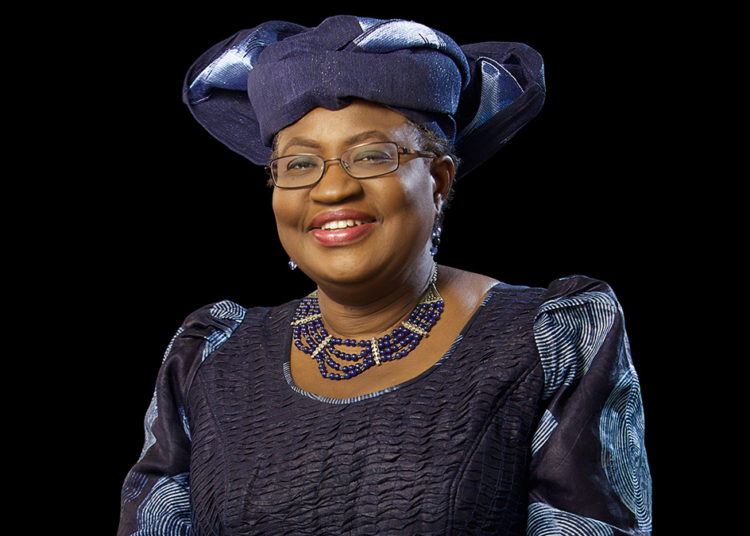
Director-General of the World Trade Organization, Ngozi Okonjo-Iweala, has stated that Nigeria’s greatest challenge is not the size of its budget but the country’s weak project execution and poor maintenance culture.
Speaking on the nation’s development priorities, Okonjo-Iweala emphasized that allocating funds alone is not enough to drive meaningful progress. According to her, the success of government policies and infrastructure projects depends largely on effective implementation, transparency, and proper maintenance after completion.
She noted that many public projects fail to achieve their intended impact because they are either poorly executed or abandoned due to inadequate maintenance. As a result, valuable public resources are often wasted, while citizens continue to face challenges in accessing quality infrastructure and essential services.
Okonjo-Iweala stressed that Nigeria must shift its focus from simply approving larger budgets to ensuring that every project is completed efficiently, monitored effectively, and maintained over the long term. She added that a strong maintenance culture is essential for preserving public assets and maximizing the value of government investments.
Her remarks have sparked conversations among economists, policy experts, and citizens, many of whom agree that improving institutional capacity and strengthening accountability are critical to the country’s sustainable development.
The comments come at a time when Nigeria continues to invest in infrastructure, economic reforms, and public sector improvements. Analysts believe that better execution of projects and consistent maintenance of existing facilities will significantly improve service delivery and reduce unnecessary government spending.
Okonjo-Iweala’s message serves as a timely reminder that national development is measured not only by ambitious budgets but by the ability to translate plans into lasting results that improve the lives of citizens.