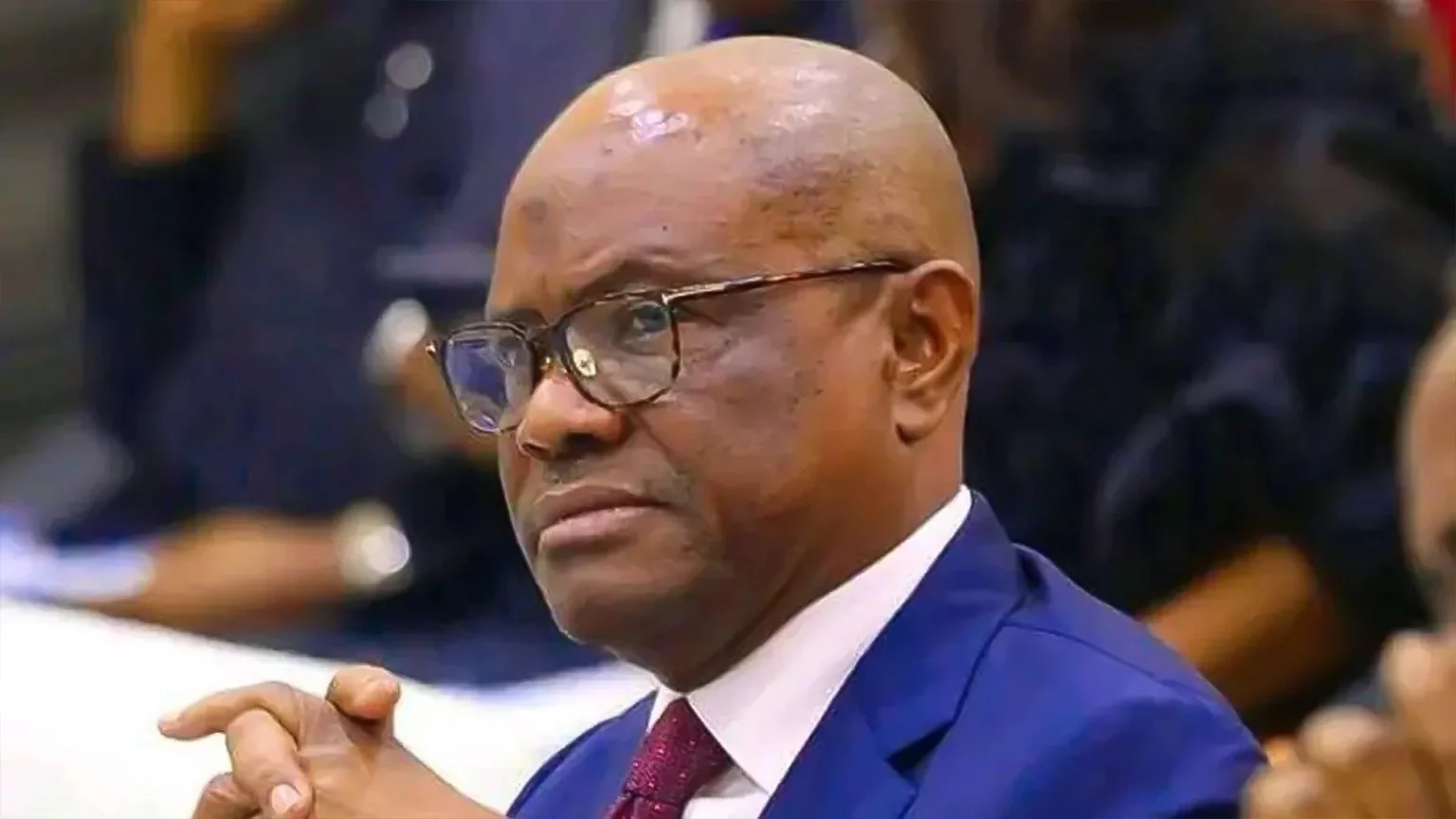
Minister of the Federal Capital Territory, Nyesom Wike, has said that the unsuccessful re-election bid of Rivers State Governor Siminalayi Fubara was largely influenced by what he described as poor political advice from individuals within the governor’s circle. Speaking during a political gathering, Wike argued that leadership decisions are often shaped by the quality of guidance received from advisers and close associates, stressing that inaccurate counsel can lead to strategic mistakes with significant political consequences. According to him, political office holders must surround themselves with experienced and objective advisers capable of providing honest assessments rather than recommendations driven by personal interests or partisan considerations. Wike maintained that effective leadership requires careful consultation, sound judgment, and the ability to make decisions based on the broader public interest. He further noted that internal disagreements and political miscalculations can weaken electoral prospects and undermine public confidence in an administration. The comments have generated fresh discussions within Nigeria’s political landscape, particularly regarding the evolving political dynamics in Rivers State and the importance of strategic decision-making in governance. Political analysts observed that relationships between political leaders and their advisers often play a crucial role in shaping policy direction, campaign strategies, and electoral outcomes. They added that successful political leadership depends not only on public support but also on strong institutions, effective communication, and the capacity to respond to changing political realities. Observers also stressed that democratic competition should remain peaceful, issue-based, and focused on policies that improve the welfare of citizens. Stakeholders called on political actors to prioritise dialogue, respect democratic institutions, and avoid actions capable of increasing political tension. They noted that accountability, transparency, and responsible leadership remain essential ingredients for sustaining public trust and strengthening Nigeria’s democratic system. Wike’s remarks contribute to the continuing debate on leadership, political strategy, and the influence of trusted advisers in determining the direction and outcomes of governance.