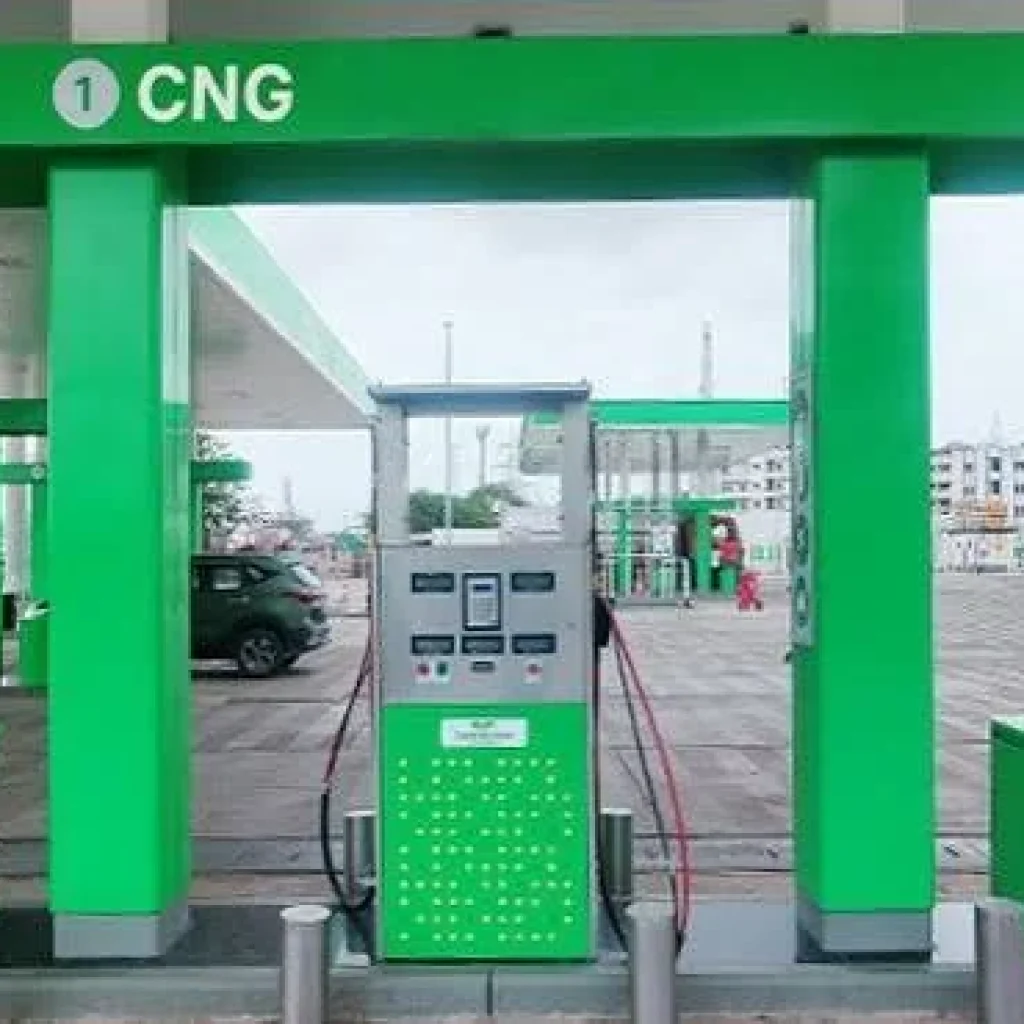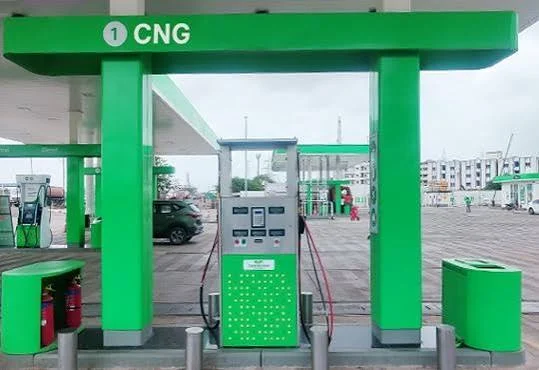
Industry stakeholders have expressed concern over potential safety challenges associated with Nigeria’s ongoing transition to Compressed Natural Gas (CNG) and Electric Vehicles (EVs), urging the government and industry operators to prioritise strict safety standards, proper regulation, and public education as adoption accelerates. Speaking at a sector forum, participants acknowledged the economic and environmental benefits of cleaner transportation but stressed that the shift must be supported by robust infrastructure, certified equipment, skilled technicians, and effective monitoring systems to minimise risks. They noted that improper installation of CNG conversion kits, inadequate maintenance, poor handling of gas cylinders, substandard charging facilities, and the circulation of uncertified components could expose motorists and the public to avoidable accidents. Experts also highlighted the importance of developing comprehensive emergency response protocols, specialised training for mechanics and first responders, and regular inspections of CNG stations and EV charging infrastructure. According to stakeholders, public confidence in alternative energy vehicles will depend not only on affordability and accessibility but also on the assurance that safety remains a top priority throughout the transition process. They encouraged regulatory agencies to strengthen certification procedures, enforce quality standards, and collaborate with manufacturers, energy providers, transport operators, and technical institutions to establish a sustainable ecosystem. Environmental experts observed that the adoption of CNG and electric vehicles has the potential to reduce greenhouse gas emissions, improve air quality, lower transportation costs, and support Nigeria’s long-term energy diversification goals. However, they cautioned that these benefits can only be fully realised through effective regulation, consumer awareness, and continued investment in infrastructure. Stakeholders further called for nationwide public education campaigns to help motorists understand the safe use, maintenance, and operational requirements of alternative fuel vehicles. They concluded that with proper planning, enforcement, and investment, Nigeria can successfully transition to cleaner transport while safeguarding lives, protecting property, and promoting sustainable economic development.