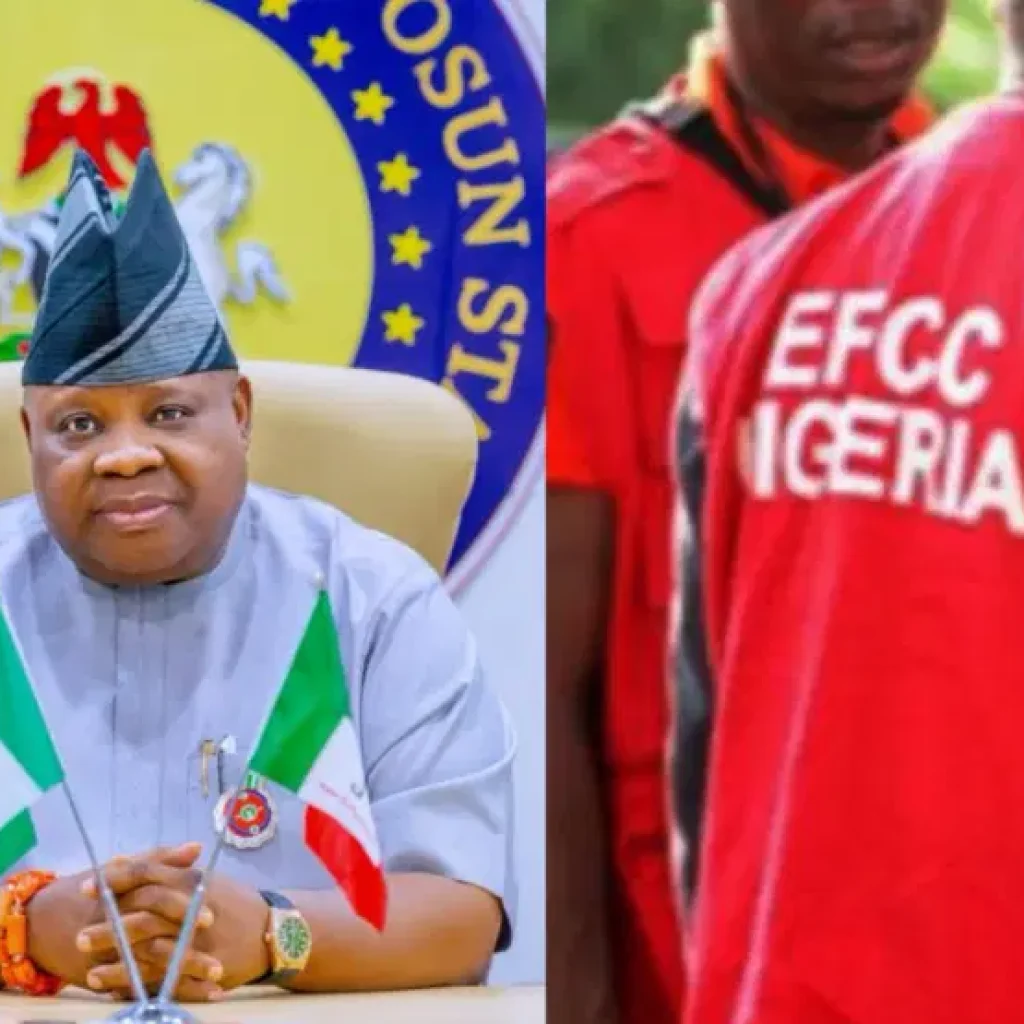
Strong reactions have followed reports that the Economic and Financial Crimes Commission (EFCC) froze accounts linked to the Osun State Government, with political stakeholders, legal observers, and civil society groups expressing differing views over the development. While some commentators questioned the timing and possible impact of the action on government operations, others argued that anti-corruption agencies should be allowed to carry out investigations within the limits of the law whenever financial irregularities are suspected. The development has sparked widespread debate across political and legal circles, with stakeholders calling for transparency, due process, and respect for constitutional provisions. Supporters of the state government expressed concern that restricting access to official accounts could disrupt the delivery of essential public services, including salary payments, infrastructure projects, healthcare, education, and other government programmes. They urged relevant authorities to ensure that any investigative measures do not unnecessarily affect citizens who depend on government services. On the other hand, legal experts noted that anti-corruption investigations are an important component of public financial accountability, provided they are conducted fairly, independently, and in accordance with established legal procedures. They emphasised that allegations involving public funds should be thoroughly investigated while safeguarding the rights of all parties involved. Political analysts observed that the issue has intensified public discussion on governance, accountability, and the relationship between law enforcement agencies and elected governments. Civil society organisations also called for openness throughout the process, urging authorities to communicate clearly with the public and avoid actions that could undermine confidence in democratic institutions. They maintained that strong institutions, judicial oversight, and adherence to the rule of law remain essential for promoting transparency and combating corruption. Observers further stressed that accountability and effective governance should complement each other in strengthening public trust and protecting the integrity of public administration. The latest development underscores the continuing importance of lawful investigations, institutional independence, and responsible public financial management in Nigeria’s democratic system.