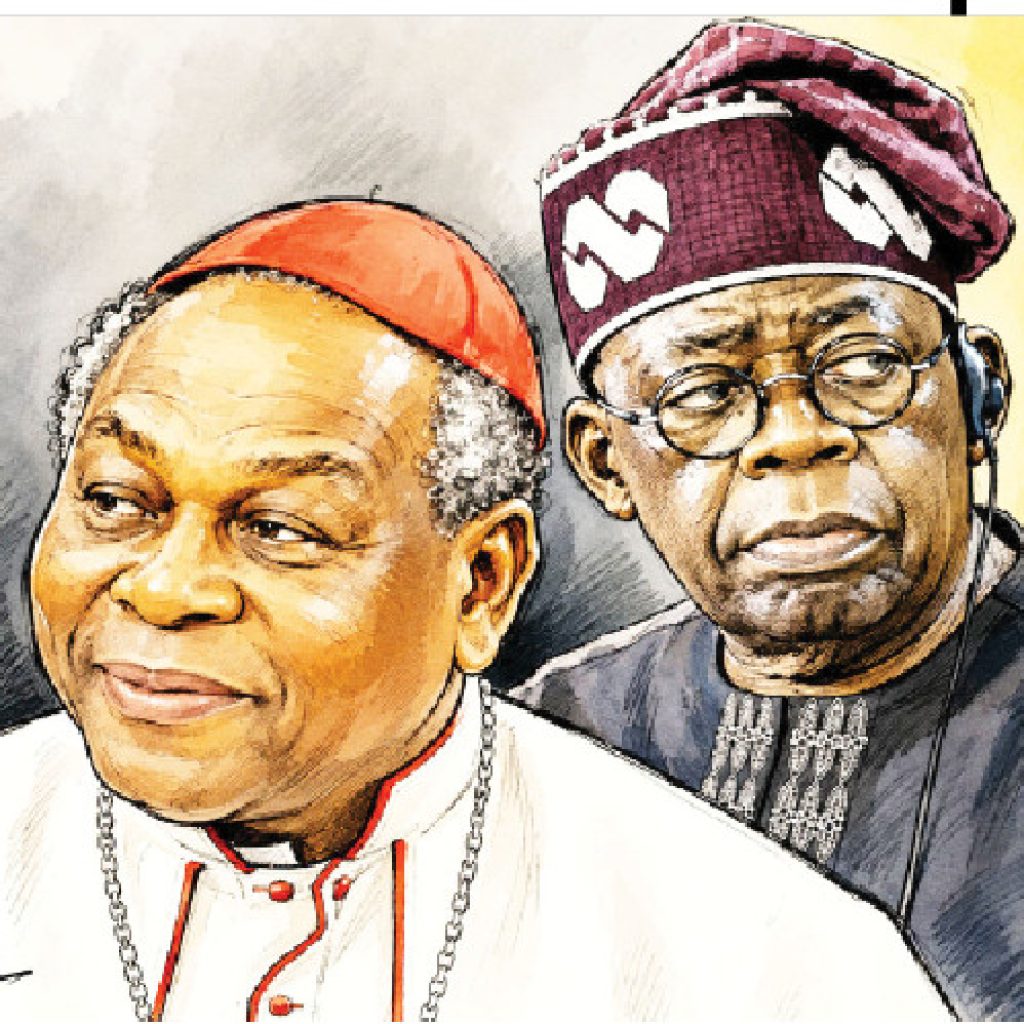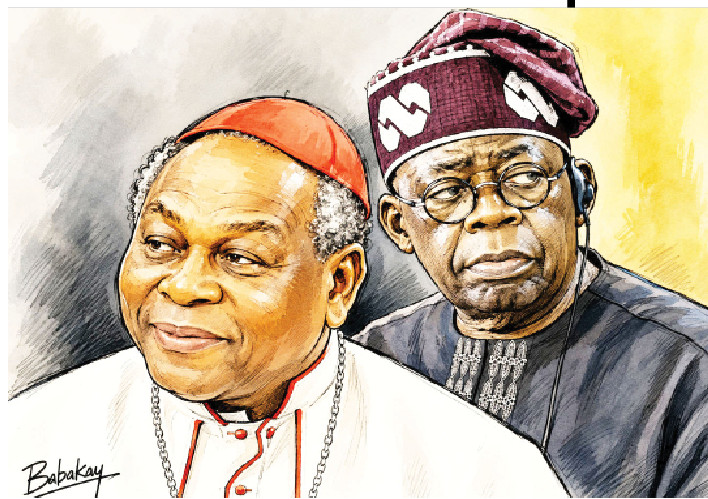
The relationship between Christian leaders and President Bola Ahmed Tinubu has attracted renewed public attention as discussions over governance, national development, and religious concerns continue across Nigeria. Recent comments involving Catholic bishops and other church leaders have generated debate about the role of religious institutions in public affairs and the extent to which faith leaders should engage government on matters affecting citizens. Religious leaders have traditionally played an important role in Nigeria by advocating for social justice, peaceful coexistence, accountability, and policies that improve the welfare of citizens. Their interventions on political and economic matters often reflect concerns expressed by communities facing hardship, insecurity, unemployment, and rising living costs. Supporters of the President have maintained that Tinubu remains open to dialogue with religious leaders and has continued to engage different faith communities as part of efforts to promote national unity. They argue that criticism of government policies should be viewed within the broader context of democratic participation and constructive engagement. On the other hand, some church leaders and civil society voices have insisted that religious institutions have a responsibility to speak when policies or actions are perceived to have significant consequences for ordinary Nigerians. Political analysts noted that disagreements between government officials and religious leaders are not unusual in democratic societies, particularly where economic reforms and public policies generate differing opinions. They stressed that respectful dialogue remains essential to preventing disagreements from becoming political or religious confrontations. Analysts also urged political actors and religious leaders to avoid statements that could deepen social divisions or create unnecessary tension among communities. They emphasised that Nigeria’s diversity requires leaders to promote tolerance, responsible communication, and cooperation across religious and political lines. As the debate continues, observers believe the relationship between Tinubu’s administration and Christian leaders will remain important in shaping discussions around governance, national unity, and public welfare. Stakeholders have called for continued engagement that allows concerns to be addressed through dialogue while respecting democratic institutions, constitutional freedoms, and the important role of religious organisations in Nigerian society.