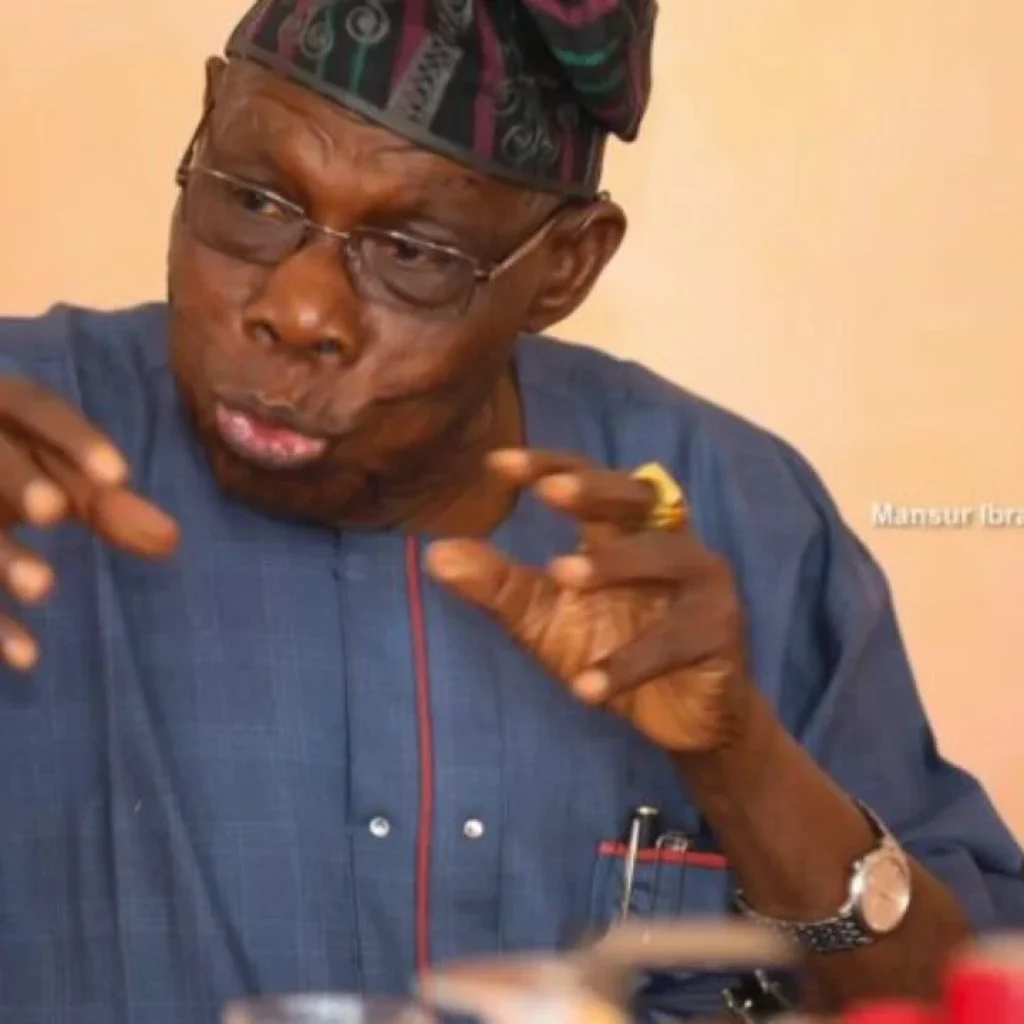
Former President Olusegun Obasanjo has argued that courts should not be responsible for determining the winners of elections, stressing that electoral outcomes should primarily reflect the choices made by voters at the polling stations. Obasanjo made the remarks while speaking on Nigeria’s democratic process and the recurring disputes that follow elections across the country. According to the former president, frequent reliance on litigation to determine election outcomes raises questions about the credibility and effectiveness of the electoral system. He maintained that elections should be conducted in a manner that allows voters to freely express their preferences and have their votes accurately counted. Obasanjo’s comments have renewed discussions about the need to strengthen Nigeria’s electoral institutions and reduce the number of disputed results that end up before the courts. Election petitions are a recognised part of Nigeria’s democratic system, allowing candidates and political parties to challenge results when they believe electoral laws were violated. However, prolonged legal battles can delay the final resolution of electoral contests and create uncertainty around governance. The former president’s position has therefore placed renewed attention on the responsibilities of electoral officials, political parties, security agencies and voters in ensuring credible elections. He has previously spoken about the need for electoral reforms, stronger institutions and greater accountability in Nigeria’s democratic system. The latest comments are likely to generate debate among political actors and constitutional experts over the proper role of the judiciary in electoral disputes. While courts remain constitutionally empowered to adjudicate election petitions, Obasanjo’s argument highlights the importance of preventing electoral irregularities before results reach the courtroom.