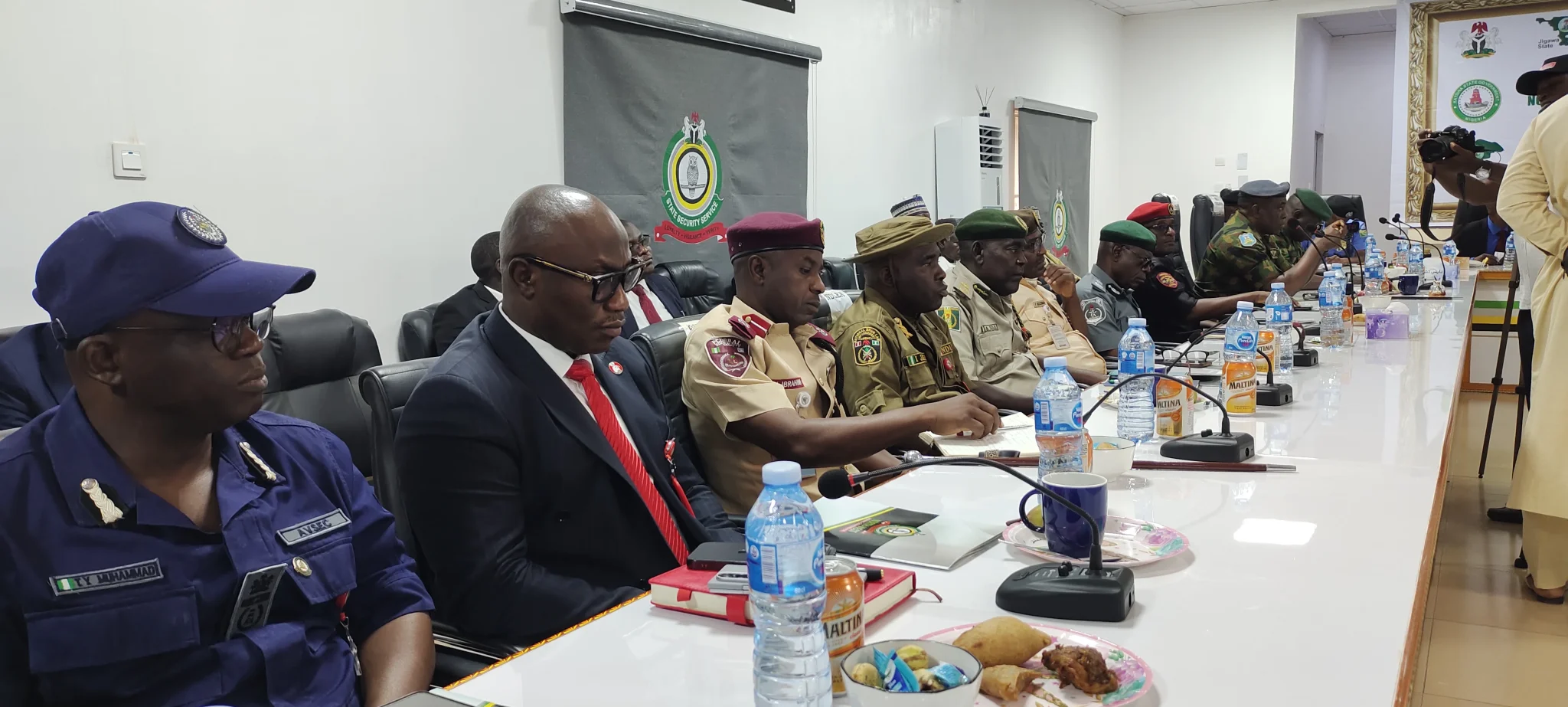
The Director-General of the Department of State Services, DSS, has called for stronger cooperation among security agencies and other stakeholders to confront terrorism and related security threats across Nigeria’s North-West region. The appeal comes as several states in the region continue to face challenges involving terrorism, banditry, kidnapping and other forms of violent crime that have affected communities and disrupted economic activities. The DSS chief stressed the importance of coordinated action, noting that security agencies must work together and share relevant intelligence to identify threats early and prevent attacks. Greater collaboration among federal, state and local security structures could also improve responses to emerging threats and strengthen efforts to protect civilians. The North-West has experienced prolonged insecurity, with armed groups operating in remote areas and targeting communities, travellers, farmers and other residents. These activities have affected livelihoods, displaced families and created difficulties for people trying to access schools, markets and healthcare facilities. The DSS has continued to emphasise the value of intelligence gathering in tackling security threats, particularly because accurate and timely information can help security agencies identify criminal networks and disrupt their operations before attacks occur. Community cooperation is also considered important, as residents can provide valuable information about suspicious movements and activities in their areas. However, authorities are expected to ensure that such cooperation is handled responsibly while protecting the rights and safety of civilians. Security experts have also called for a combination of military, intelligence, policing and community-based measures to address the underlying causes of insecurity. The latest call from the DSS leadership highlights the need for sustained cooperation rather than isolated operations by individual agencies. As security challenges persist across the North-West, stakeholders will be expected to strengthen coordination, improve intelligence sharing and support measures aimed at restoring lasting peace. Effective collaboration could help reduce attacks and create safer conditions for residents and businesses across the region.