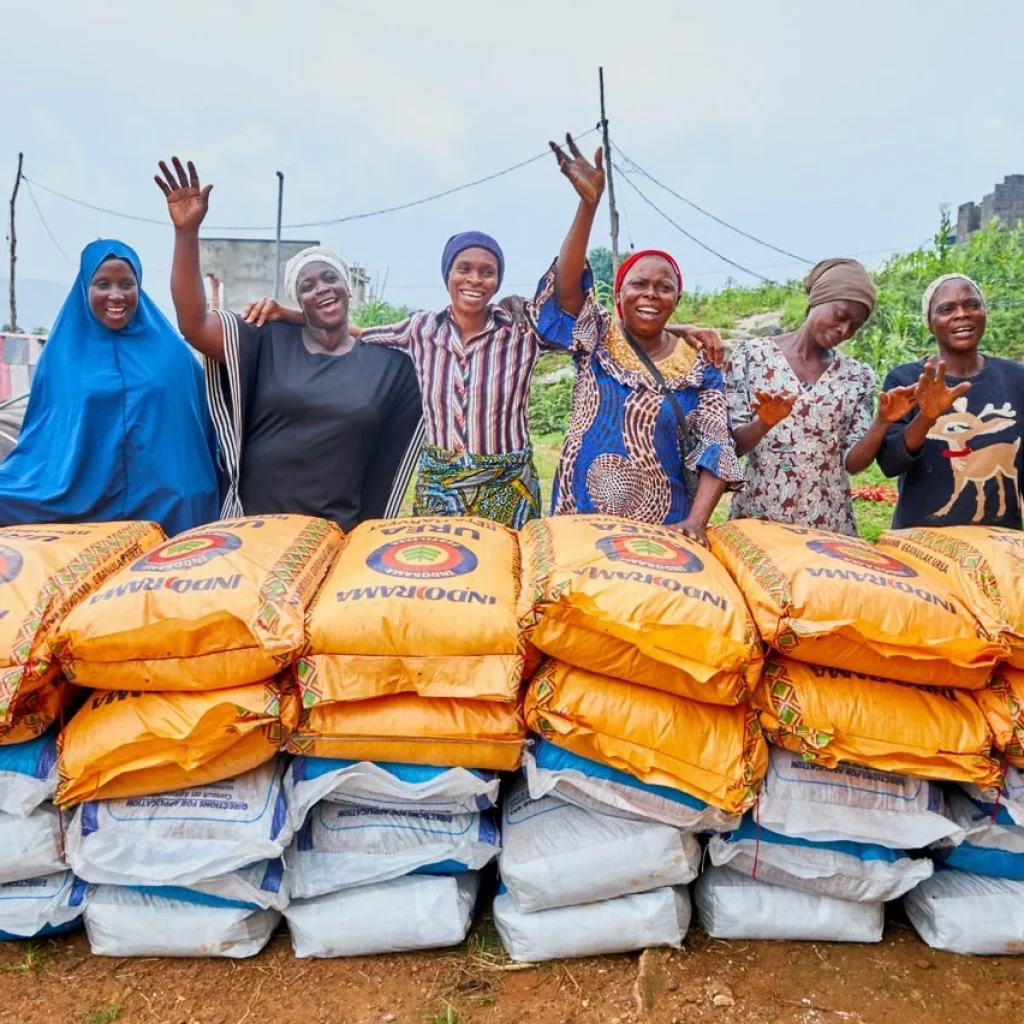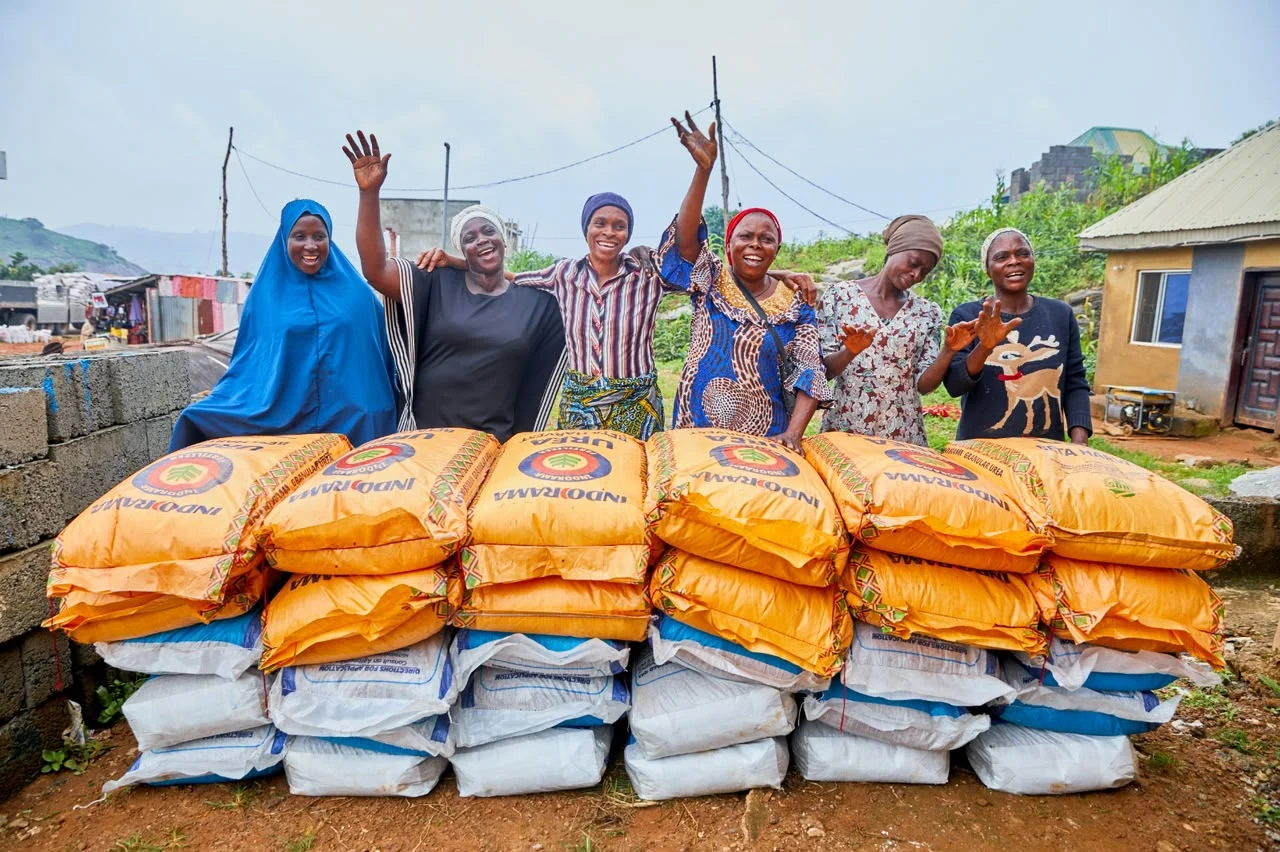
The Bank of Agriculture, BOA, has strengthened its support for women farmers as part of efforts to improve access to agricultural inputs and expand opportunities for women participating in Nigeria’s farming sector. The initiative is aimed at addressing challenges that have continued to limit the ability of many women farmers to obtain quality seeds, fertiliser, equipment, financing and other resources needed to increase productivity. Women play an important role in Nigeria’s agricultural economy, particularly in crop production, food processing and small-scale farming. However, many continue to face difficulties accessing formal financing and essential agricultural inputs. Limited access to affordable credit, land, modern equipment, extension services and markets can affect their ability to expand production and generate sustainable income. BOA’s renewed focus is expected to help bridge some of these gaps by providing financial and institutional support designed to make farming more productive and commercially viable for women. Improved access to inputs could also help farmers increase yields, reduce production challenges and contribute more effectively to food supply across the country. The initiative comes amid broader efforts by the Nigerian government and financial institutions to strengthen agriculture, improve food security and reduce dependence on imported food products. Supporting women farmers could have wider economic benefits because increased agricultural income can improve household welfare and create employment within rural communities. Stakeholders have also emphasised the importance of combining financing with training, market access, storage facilities and modern farming techniques to ensure that farmers can make the most of available resources. For the programme to achieve lasting results, timely distribution of inputs, transparent financing arrangements and effective monitoring will be important. Women farmers are expected to benefit from stronger links with agricultural institutions and greater opportunities to participate in organised farming programmes. BOA’s latest approach highlights the need to address practical barriers that prevent farmers from accessing the resources required for production. As Nigeria continues to focus on food security and agricultural development, expanding support for women farmers could become an important part of efforts to strengthen rural economies and increase domestic food production.