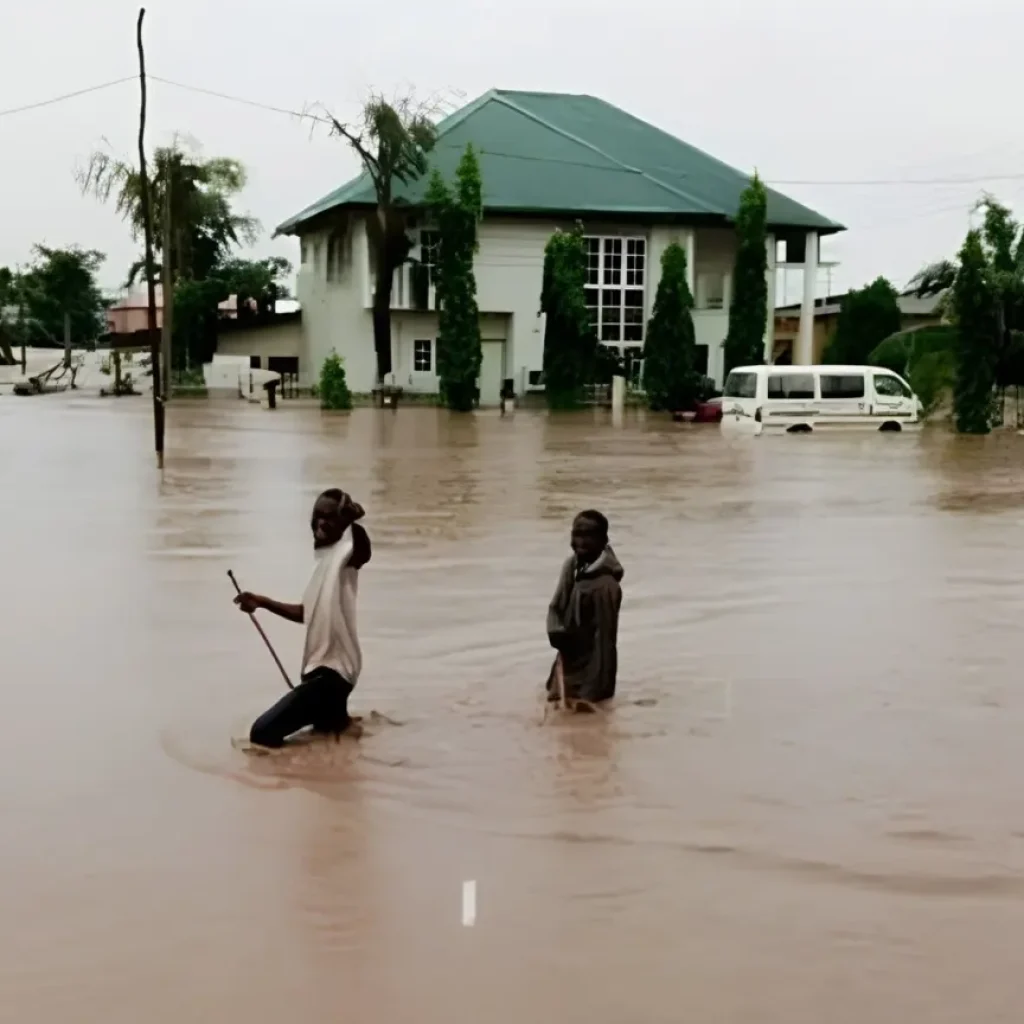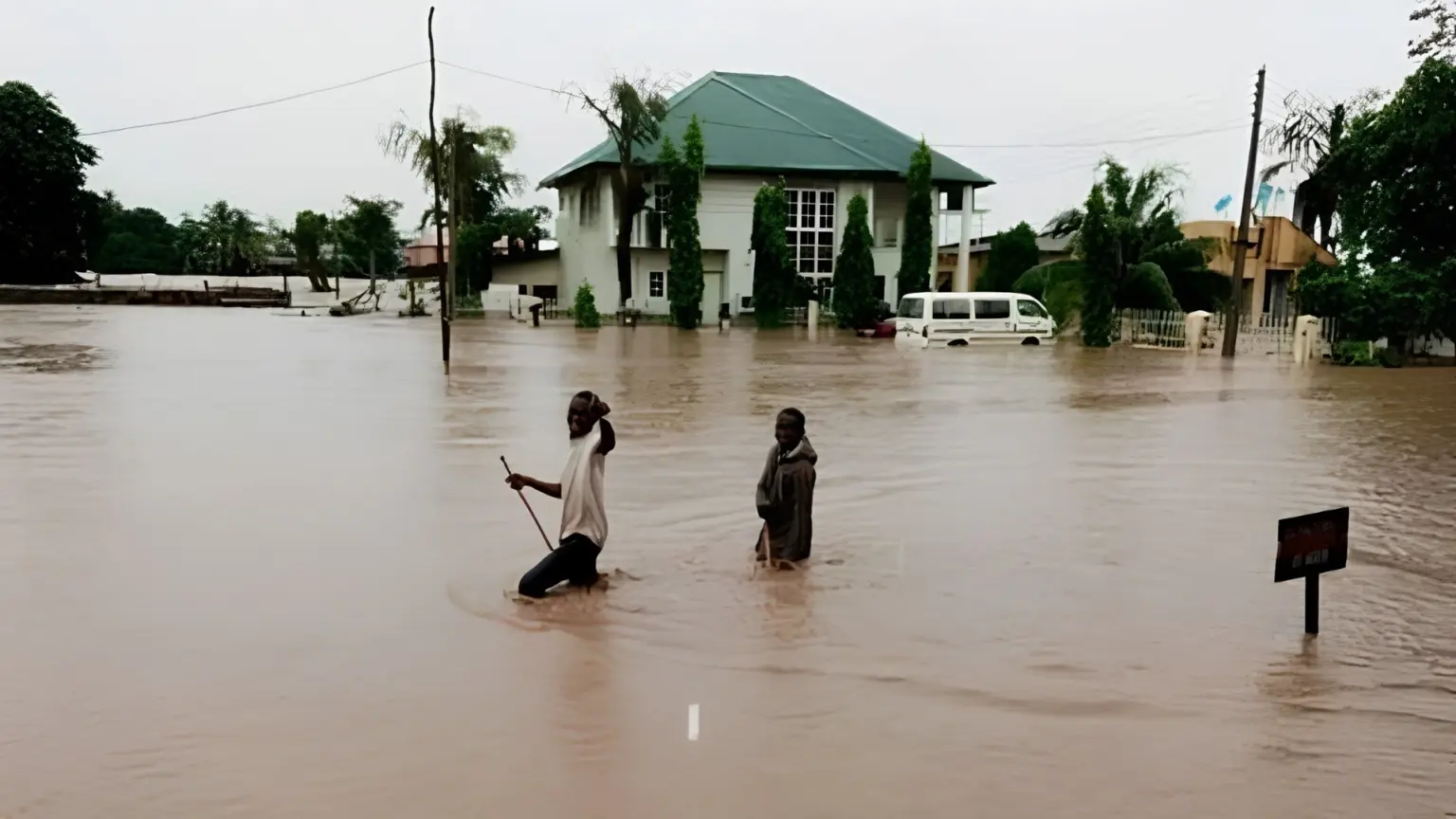
The development of Abuja has increasingly raised concerns about the effects of changes to the city’s original master plan and how unplanned development may be contributing to flooding across the Federal Capital Territory. Urban planners and environmental stakeholders have long emphasised the importance of maintaining designated drainage channels, waterways, green areas and other spaces included in the city’s planning framework. When these areas are altered, blocked or occupied by buildings and other structures, the natural movement of stormwater can be disrupted. Abuja’s rapid population growth has increased pressure on land and infrastructure, leading to extensive construction in different parts of the territory. In some locations, inadequate drainage systems and poor maintenance can make it difficult for heavy rainfall to flow away quickly. The situation may become worse where natural watercourses have been narrowed, covered or obstructed by development. Flooding can damage homes, roads, businesses and public infrastructure while also creating risks for residents and disrupting economic activities. Experts often stress that effective urban planning requires development to follow approved land-use regulations and environmental standards. Protecting flood plains, drainage corridors and green spaces can help reduce the pressure placed on drainage infrastructure during periods of intense rainfall. The issue also highlights the need for stronger enforcement of planning regulations by relevant authorities. Where buildings or other developments are constructed without proper approval, authorities may need to take corrective measures to protect public safety and restore affected drainage routes. However, addressing Abuja’s flood challenges will require more than demolition or enforcement. Investment in modern drainage infrastructure, regular clearing of waterways, improved waste management and accurate flood-risk mapping can also reduce the impact of heavy rainfall. Residents have a role to play by avoiding the disposal of waste in drains and complying with approved development guidelines. As Abuja continues to expand, maintaining a balance between urban development and environmental protection will become increasingly important. A well-managed master plan can guide construction, protect natural drainage systems and ensure that infrastructure keeps pace with population growth. Addressing distortions in the city’s planning framework could therefore help reduce flood risks and improve the safety and resilience of communities across the FCT.