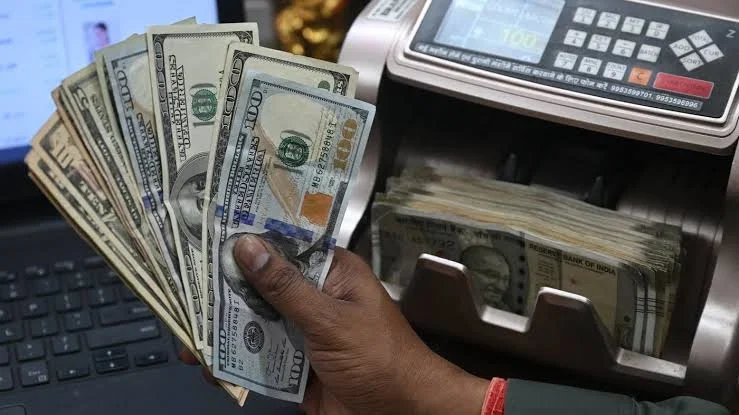
Demand for the United States dollar has declined by 35 percent as the Nigerian naira continues to maintain relative stability in the foreign exchange market. The development suggests that pressure on the local currency may be easing as businesses, investors and other market participants adjust to changing conditions in Nigeria’s foreign exchange market. A reduction in demand for dollars can help reduce pressure on the naira, particularly when foreign exchange supply remains sufficient to meet legitimate transactions. The naira has faced significant volatility in recent years due to foreign exchange shortages, inflation, increased demand for dollars and other economic pressures. Recent efforts by monetary authorities to improve market liquidity and strengthen confidence in the foreign exchange system have been aimed at creating a more transparent and efficient market. Lower dollar demand could also reflect changes in business expectations and reduced pressure from importers seeking foreign currency to pay for goods and services. For consumers and businesses, greater stability in the exchange rate can make financial planning easier and reduce uncertainty around the cost of imported products and raw materials. However, sustained naira stability will depend on several factors, including foreign exchange liquidity, crude oil earnings, inflation, interest rates, investor confidence and the overall performance of the Nigerian economy. The Central Bank of Nigeria continues to monitor developments in the foreign exchange market and implement policies aimed at improving stability and strengthening confidence in the naira. Market participants will be watching whether the decline in dollar demand continues in the coming weeks. A sustained reduction could ease pressure on foreign exchange rates and provide some relief to businesses facing high import and operating costs. At the same time, analysts are likely to assess whether the improvement reflects temporary market conditions or a more lasting change in demand patterns. For households, businesses and investors, a more stable currency environment could help reduce uncertainty and support economic planning. Nevertheless, the naira’s long-term strength will depend on broader economic fundamentals, including increased foreign exchange earnings, stronger domestic production and effective management of monetary and fiscal policies.