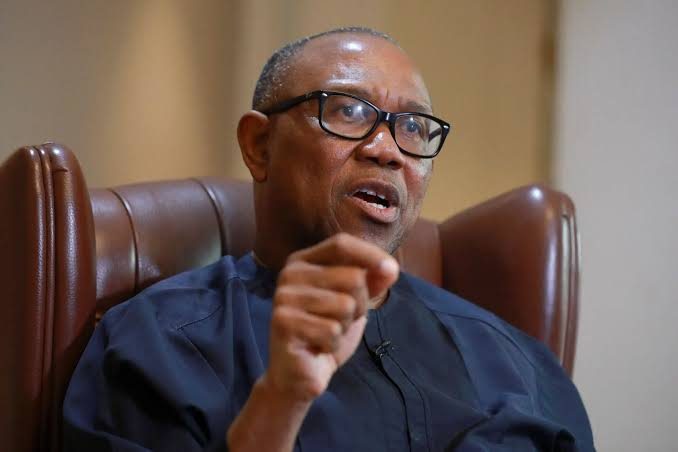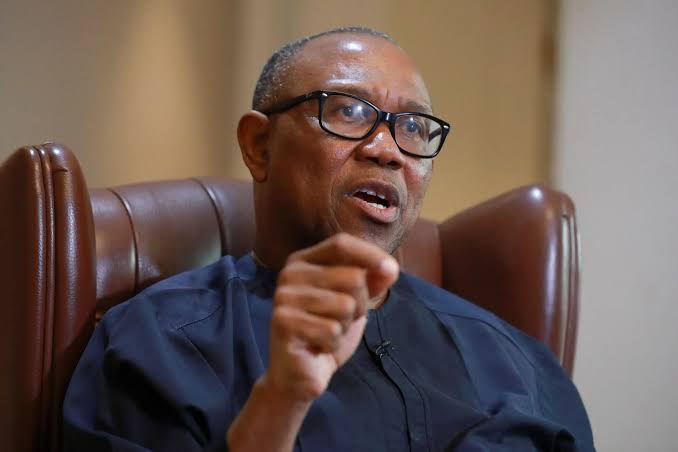
Peter Obi has challenged presidential candidates and political aspirants to engage Nigerians directly during election campaigns rather than relying heavily on surrogates to communicate their messages. Obi made the call as political activities ahead of the 2027 general election continue to gather momentum, with parties and potential candidates beginning to shape their campaigns and public platforms. The former Anambra State governor and 2023 presidential candidate said voters deserve direct access to those seeking their support and should be able to assess their ideas, character and plans for governing the country. His position places emphasis on direct engagement between political candidates and citizens, particularly on issues that affect everyday life. Nigeria’s electorate faces concerns including economic hardship, unemployment, insecurity, inadequate infrastructure, healthcare challenges and the rising cost of living. Direct interaction could give voters an opportunity to question candidates about how they intend to address these problems and how their proposed policies would be financed and implemented. Obi has previously argued that political campaigns should focus more strongly on development issues and measurable plans for improving the country. His latest challenge is likely to add to discussions about the quality of political communication ahead of 2027. Presidential candidates are expected to use rallies, town-hall meetings, interviews, debates and other public engagements to explain their positions. Surrogates and campaign representatives can help parties communicate with voters, but direct appearances by candidates allow citizens to hear their positions firsthand. The call also highlights the importance of accountability during election campaigns. Candidates who directly engage the public are more likely to face questions about their records, policy proposals and previous statements. Such interactions can help voters make more informed decisions before casting their ballots. As political parties prepare for the next election, competition is expected to intensify and campaign strategies will become increasingly visible. Nigerians will likely hear different proposals from candidates seeking the presidency, with each attempting to persuade voters that their approach offers the best path forward. Obi’s call for direct engagement adds another dimension to that debate. Whether other presidential contenders accept the challenge and increase their direct interaction with voters remains to be seen. Ultimately, the effectiveness of any campaign will depend on the credibility of its message, the candidate’s record and the ability to present practical solutions to Nigeria’s challenges.