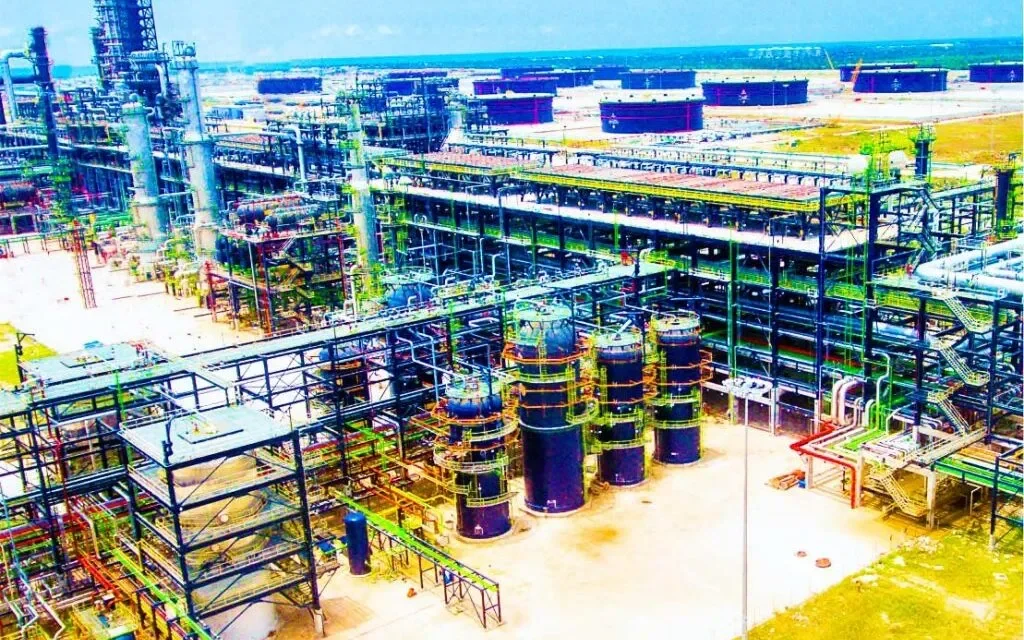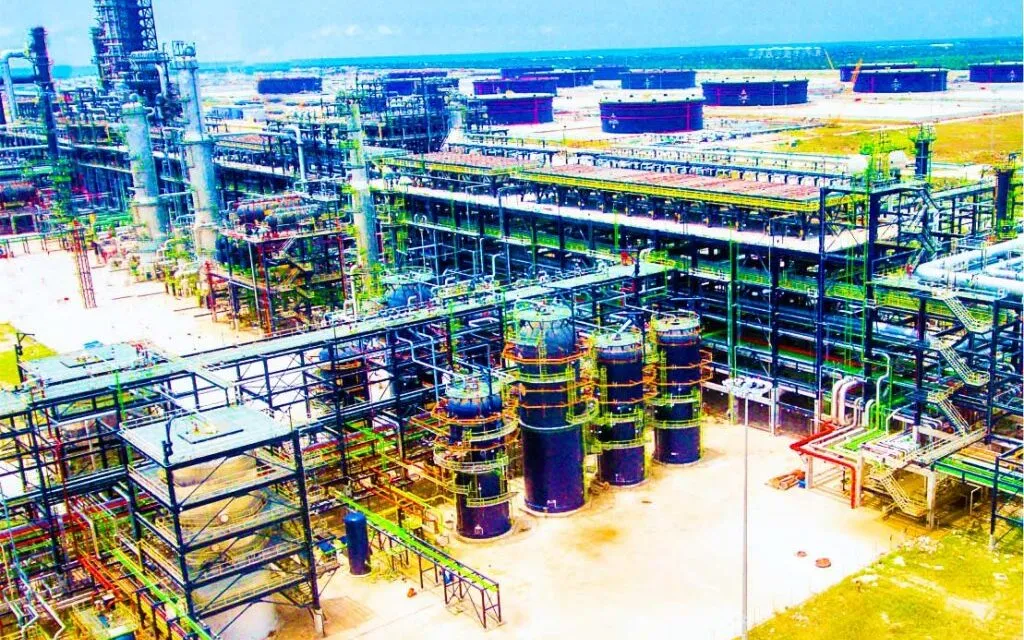
Nigeria’s fuel exports have recorded a sharp increase, with the Dangote Refinery identified as a major contributor to the growth, according to the US Energy Information Administration, EIA. The development highlights the growing role of domestic refining capacity in changing Nigeria’s petroleum trade and reducing reliance on imported refined products. The Dangote Refinery, located in Lagos State, has significantly increased its processing activities since commencing operations, creating additional capacity to produce refined petroleum products for both domestic and international markets. Its growing output has allowed more Nigerian petroleum products to be supplied to neighbouring and international markets, contributing to the reported increase in fuel exports. The development is significant for Nigeria, which has historically depended heavily on imported petrol, diesel and other refined products despite being a major crude oil producer. Increased domestic refining could help reduce pressure on foreign exchange by limiting the need to import large volumes of refined fuel. It could also create opportunities for Nigeria to become a more important supplier of petroleum products within Africa and beyond. The reported rise in exports also reflects broader changes in Nigeria’s downstream petroleum sector following the removal of the petrol subsidy and efforts to encourage private investment in refining. The Dangote facility has emerged as one of the country’s largest industrial projects and has attracted considerable attention because of its potential to transform the petroleum supply chain. Higher fuel exports could generate additional foreign exchange earnings and strengthen Nigeria’s trade position, provided production and export volumes remain sustainable. However, the benefits will depend on factors such as crude oil availability, refinery efficiency, international fuel prices, transportation costs and demand in export markets. The development could also encourage further investment in refining, storage and petroleum logistics. Analysts are expected to monitor whether the increase in exports continues as the refinery expands its operations and Nigeria’s petroleum market adjusts to greater domestic refining capacity. The EIA’s reported figures underline the growing influence of the Dangote Refinery on Nigeria’s downstream petroleum industry. If the trend is sustained, increased fuel exports could strengthen Nigeria’s position in regional petroleum markets while supporting the broader shift toward domestic refining and value addition.