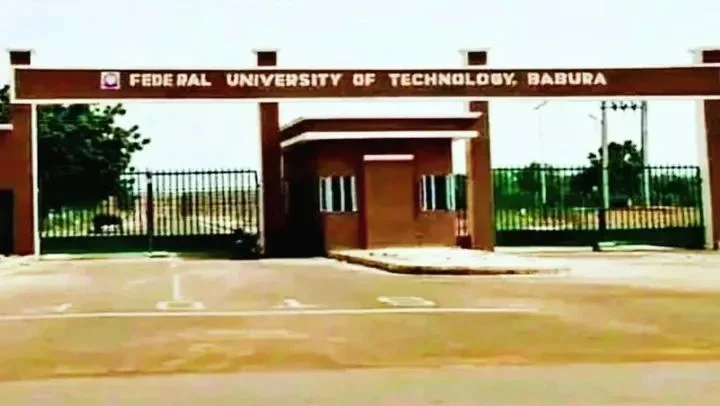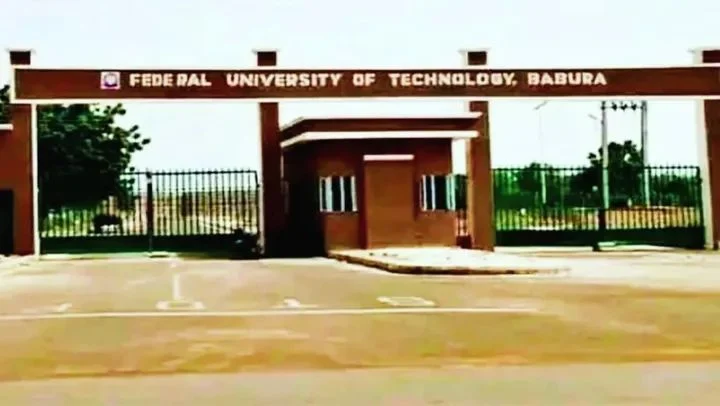
A university in Jigawa State has announced a free tuition initiative for students studying Mathematics and Physics, in a move aimed at encouraging more young people to pursue science-related disciplines. The initiative is expected to reduce the financial burden on students and promote greater interest in subjects considered important to Nigeria’s scientific, technological and economic development. Mathematics and Physics are fundamental to many fields, including engineering, information technology, architecture, medicine, environmental science and other technical professions. However, students interested in studying these disciplines can face financial challenges that affect their ability to remain in higher education. By removing tuition charges for eligible students, the university hopes to make access to these programmes easier for qualified applicants. The initiative could also help increase enrolment in Mathematics and Physics and contribute to the development of a stronger pool of graduates with science and technical skills. Nigeria has continued to emphasise the importance of science, technology, engineering and mathematics education as part of efforts to build a skilled workforce capable of supporting economic growth. Universities play an important role in this process by providing students with quality teaching, research opportunities and practical training. The free tuition policy may also encourage students from low-income families to consider programmes they might otherwise find difficult to afford. Greater access to science education can create opportunities for students to pursue careers in research, teaching, engineering, technology and other specialised areas. The university is expected to establish appropriate eligibility requirements and administrative procedures for students seeking to benefit from the initiative. Prospective students will need to obtain accurate information from the institution regarding admission requirements, programme availability and any conditions attached to the tuition waiver. The initiative could also support efforts to address shortages of qualified teachers and professionals in Mathematics and Physics, particularly in areas where access to skilled personnel remains limited. By encouraging more students to study these subjects, the institution can contribute to strengthening the science education pipeline in the state and beyond. Stakeholders in education have often called for policies that reduce barriers to higher education and encourage students to pursue disciplines linked to national development. The Jigawa initiative represents one approach to addressing those concerns. If properly implemented and sustained, the policy could benefit students while supporting broader efforts to improve science education and skills development in Nigeria. The university’s decision is likely to attract interest from prospective students and families seeking affordable opportunities to pursue higher education in science-related fields.