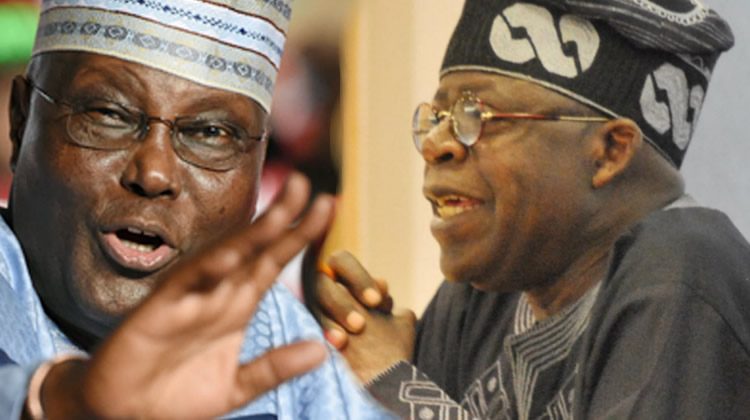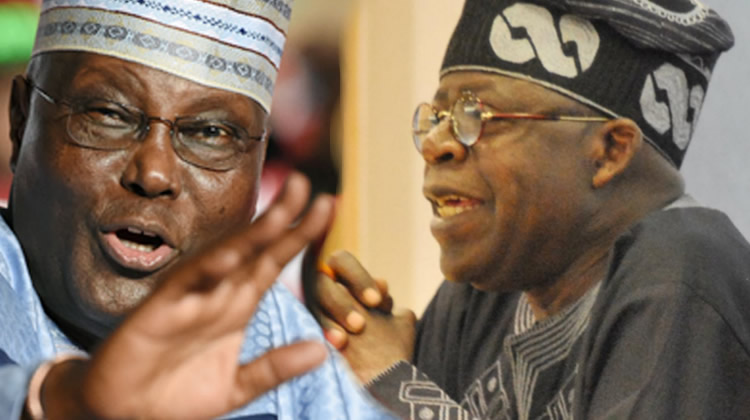
A senior aide to President Bola Ahmed Tinubu has criticised former Vice President Atiku Abubakar’s proposal concerning fuel subsidies, arguing that the policy could create economic difficulties for Nigeria if implemented. The comments have added to the ongoing political debate over the country’s petroleum subsidy policy and the direction of economic reforms ahead of the 2027 general election. The Tinubu administration removed the petrol subsidy in 2023 as part of a broader reform programme aimed at reducing government expenditure and improving the country’s fiscal position. The decision immediately generated controversy because petrol prices rose significantly, affecting transportation costs, household expenses and businesses. Supporters of the reform have maintained that the subsidy system placed a heavy burden on public finances and created opportunities for inefficiency and abuse. Critics, including opposition politicians, have argued that the government should have introduced stronger measures to protect citizens from the impact of higher fuel prices. Atiku has previously criticised aspects of the subsidy removal and has proposed alternative approaches to managing the petroleum sector and easing economic pressure on Nigerians. Tinubu’s aide, however, argued that returning to a broad fuel subsidy system would place additional pressure on government finances and could divert resources from other important areas. The aide also suggested that subsidy payments could limit the government’s ability to invest in infrastructure, education, healthcare and other public services. The debate is likely to become more prominent as political parties prepare for the 2027 presidential election. The APC is expected to defend the economic reforms introduced under Tinubu, while opposition parties are likely to present alternative policies aimed at addressing inflation, unemployment and the rising cost of living. The disagreement over fuel subsidies reflects a broader debate about how Nigeria should manage its petroleum resources and protect consumers while maintaining sustainable public finances. Economists and policy experts have offered differing views on the effectiveness of subsidies, with some supporting targeted assistance for vulnerable households rather than universal fuel subsidies. The long-term outcome of Nigeria’s fuel policy will depend on domestic refining capacity, crude oil production, petrol prices and the government’s ability to provide effective social protection. As the 2027 election approaches, economic policies are expected to remain central to political campaigns and public debate. The latest comments from Tinubu’s aide add another dimension to the disagreement between the ruling party and opposition figures over how Nigeria’s economy should be managed.