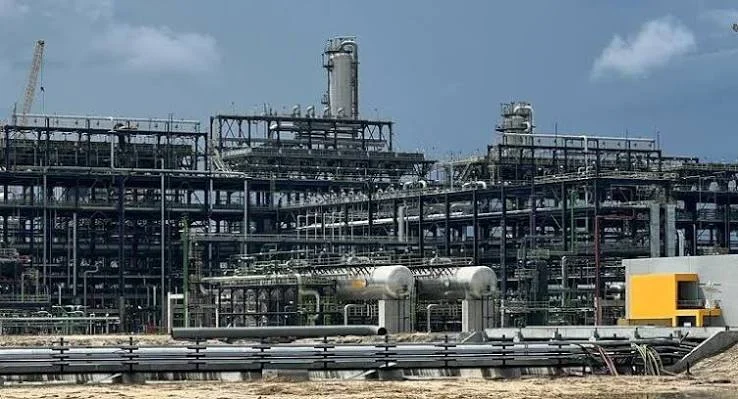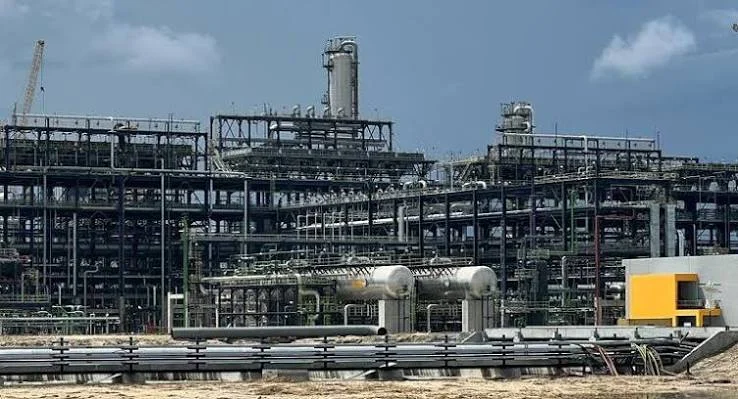
The Dangote Refinery has reportedly increased the price of petrol to N1,200 per litre despite a decline in international crude oil prices, a development that could place additional pressure on motorists and consumers across Nigeria. The reported adjustment comes amid continuing changes in the domestic downstream petroleum market, where petrol prices are influenced by crude oil costs, exchange rates, operating expenses, transportation and other market factors. The Dangote Refinery has become an important player in Nigeria’s fuel supply chain since beginning commercial operations, with its large refining capacity expected to reduce the country’s dependence on imported petroleum products. The refinery’s operations have also increased competition among suppliers and changed the dynamics of petrol distribution within the Nigerian market. The reported price increase has generated questions about how movements in international crude prices translate into retail petrol prices in Nigeria. While lower crude prices can reduce the cost of producing refined petroleum products, other factors can affect the final price paid by consumers. Exchange rate movements are particularly important because some costs within the petroleum supply chain remain linked to foreign currencies. Logistics, storage, distribution and operational expenses can also influence pump prices. The latest adjustment comes as Nigerian consumers continue to deal with elevated transportation and living costs following major changes in the petroleum sector. The removal of the petrol subsidy in 2023 shifted the market toward a more market-based pricing structure, resulting in significant fluctuations in fuel prices. The government has maintained that increased domestic refining will eventually improve supply and reduce dependence on imported fuel. The Dangote Refinery has expanded its role in supplying petroleum products to the Nigerian market while also pursuing opportunities to export refined products. Industry stakeholders have continued to monitor developments in crude prices, refinery output and exchange rates because of their combined impact on petrol prices. Consumers are particularly sensitive to price increases because higher petrol costs can affect transportation fares, food distribution and the operating expenses of businesses. Any sustained reduction in fuel prices could provide some relief, but this would depend on several market conditions. The reported N1,200 per litre price therefore highlights the complexity of Nigeria’s deregulated petroleum market, where changes in global crude prices do not necessarily produce immediate or equal changes at the pump.