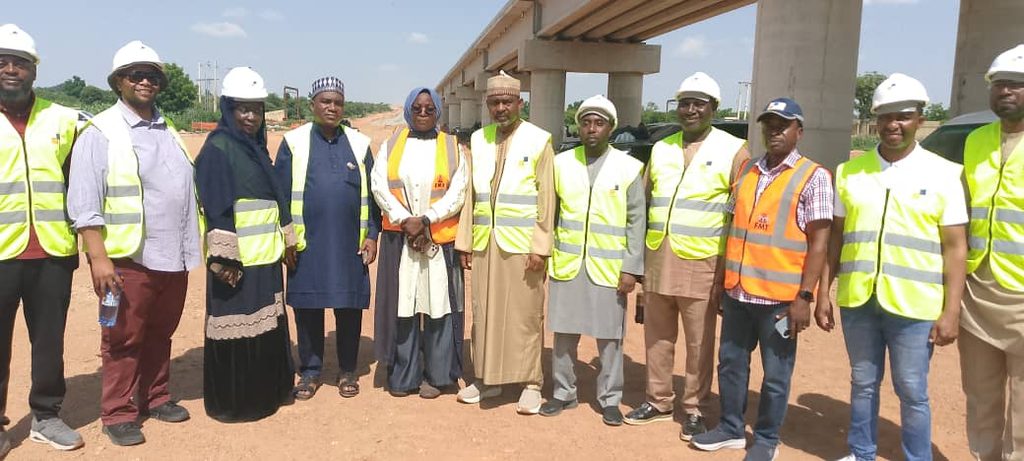
The Kano-Katsina rail project has reportedly reached 80 percent completion, according to Adebiyi, who provided an update on the progress of the major transport infrastructure project. The development signals significant movement toward completing a railway connection expected to improve transportation and strengthen economic links between Kano and Katsina states. The project is part of broader efforts to expand Nigeria’s rail network and provide safer, more efficient alternatives for moving passengers and goods. Improved rail connectivity can reduce pressure on major roads, shorten travel times and support commercial activities across connected communities. The Kano-Katsina corridor is strategically important because both states serve as major commercial centres in northern Nigeria, with extensive agricultural, manufacturing and trading activities. A functional railway could make it easier for businesses to move goods while providing residents with another option for intercity transportation. The reported 80 percent completion level suggests that a substantial portion of construction work has already been carried out. However, the remaining stages will still require careful execution to ensure that the railway meets required technical, safety and operational standards before it becomes fully functional. Rail projects of this scale typically involve extensive civil works, track installation, bridges, stations, signalling systems and other supporting infrastructure. Effective coordination among contractors, government agencies and local stakeholders will be important during the final phase. The project could also generate economic opportunities through construction activities and, eventually, the operation and maintenance of the railway. Improved transport infrastructure can encourage investment and facilitate greater movement of people between communities. For residents and businesses along the route, the completion of the project could provide long-term benefits if services are reliable and affordable. Nigeria has invested heavily in railway development in recent years as part of efforts to modernise its transportation system. The expansion of rail infrastructure is also expected to complement existing road and air transport networks. The progress reported on the Kano-Katsina project will therefore be closely watched by stakeholders who want to see the infrastructure completed and put into productive use. Adebiyi’s update offers some indication of the project’s current status, but attention will now turn to the completion of outstanding work and the eventual commencement of operations. If delivered according to schedule and maintained properly, the railway could improve regional connectivity and contribute to economic activity in northern Nigeria. The project’s completion would represent another step in the country’s ongoing efforts to strengthen its rail transportation network.