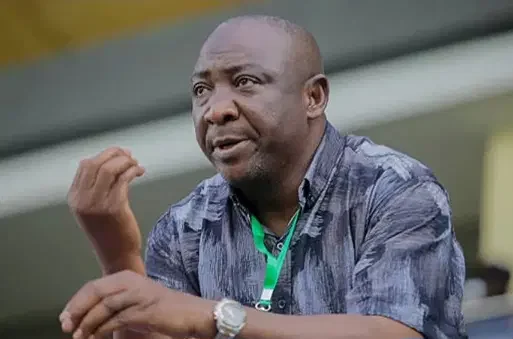
The President of the Nigeria Football Federation, Ibrahim Gusau, and other members of the federation’s board have reportedly resigned from their positions, marking a significant development in the administration of Nigerian football. The decision is expected to generate discussions about the future leadership and direction of the NFF at a time when attention remains focused on the development of football in the country. The Nigeria Football Federation is responsible for overseeing football administration in Nigeria, including the national teams, domestic competitions and broader development programmes. A change in leadership could therefore have implications for ongoing plans and policies within the organisation. Gusau has been involved in efforts to strengthen football administration and support the growth of the sport at different levels. His resignation, alongside those of other board members, could create the need for a new administrative structure to guide the federation. The NFF leadership plays an important role in decisions concerning the Super Eagles, Super Falcons, youth national teams and other national sides. It also works with clubs, state football associations and international football bodies on matters relating to competitions, development and governance. The resignation comes against the backdrop of longstanding discussions about football administration in Nigeria, including funding, infrastructure, player development, coaching, grassroots football and the performance of national teams. Stakeholders will be watching closely to see how the federation manages the transition and whether the process is conducted according to its governing statutes. Any leadership change is likely to attract interest from clubs, players, coaches, supporters and other football stakeholders. A smooth transition would be important to prevent disruption to national team programmes and scheduled competitions. The incoming leadership will face several responsibilities, including improving domestic football structures, supporting youth development and ensuring effective administration of the national teams. Nigerian football has significant talent at both domestic and international levels, but stakeholders have frequently called for stronger systems to develop players and improve the quality of competitions. The NFF will also need to maintain constructive relationships with FIFA, CAF and other football organisations during the transition. Details surrounding the resignations, including the reasons for the decisions and the next steps for selecting new leaders, will be closely monitored. The development could lead to an important period of change within Nigerian football administration. Supporters will hope that any transition produces greater stability and allows attention to remain focused on improving the sport. The resignation of Gusau and other board members is therefore a major administrative development for Nigerian football, with its longer-term impact likely to depend on how the leadership transition is handled and what priorities the next NFF administration adopts.