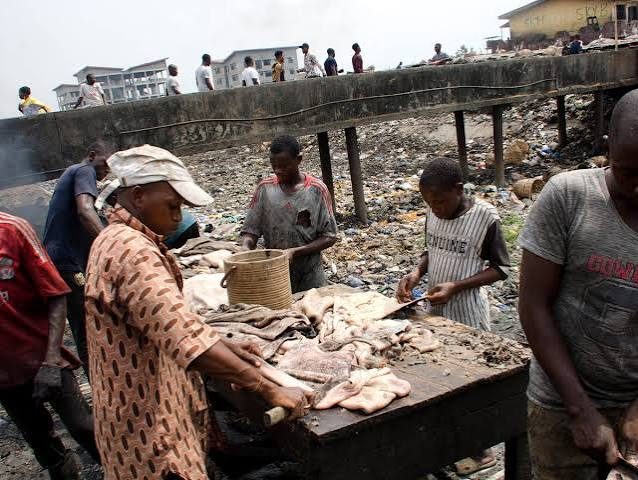
The Lagos State Government is taking steps to convert waste generated from abattoirs into useful products such as biogas and organic fertiliser, as part of efforts to improve waste management and promote cleaner energy solutions. The initiative is expected to address environmental concerns associated with the improper disposal of animal waste while creating opportunities for renewable energy production and agricultural development. Abattoir waste, including animal dung and other organic materials, can be processed through appropriate technologies to generate biogas, which can be used as a source of energy for cooking, electricity generation and other industrial purposes. The remaining material from the process can also be converted into nutrient-rich fertiliser for agricultural use. The proposed initiative is expected to support Lagos’ broader environmental sustainability agenda by reducing the amount of organic waste sent to landfills and minimising pollution around slaughter facilities. It could also provide economic benefits through job creation, investment opportunities and the development of a circular economy in which waste is transformed into valuable resources. Stakeholders in the agricultural and environmental sectors have welcomed efforts to improve the management of abattoir waste, stressing the importance of modern facilities, proper sanitation and effective waste-processing systems. Experts say converting organic waste into energy and fertiliser could help reduce dependence on conventional fuels while supporting farmers with locally produced soil nutrients. The initiative also aligns with growing global efforts to promote renewable energy and sustainable waste management. As Lagos continues to experience rapid population growth and increased demand for food and energy, officials say innovative approaches to managing waste will be necessary to protect the environment and improve the quality of life for residents.