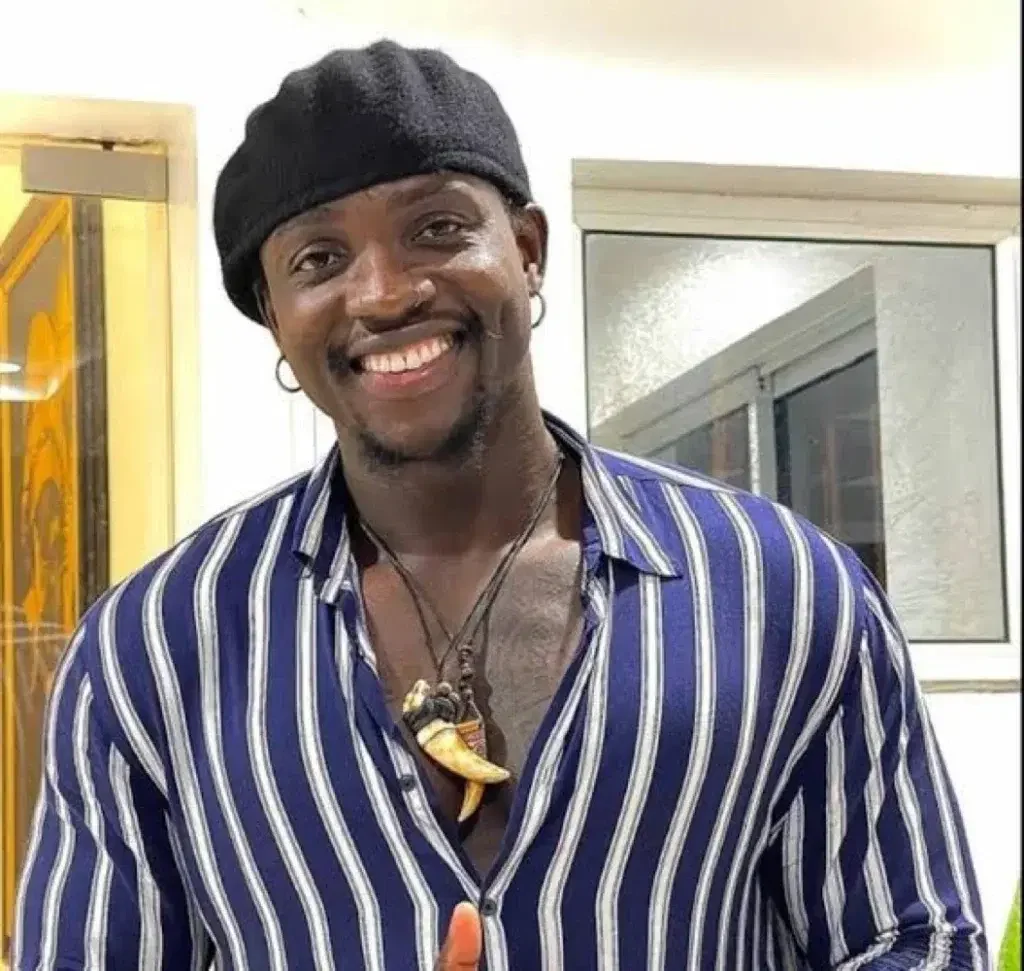
Human rights lawyer and activist Dele Farotimi has sparked discussion after saying that social media activist VeryDarkMan, popularly known as VDM, has taken the place once occupied by the judiciary as a source of hope for ordinary Nigerians. Farotimi’s comment reflects concerns about public confidence in Nigeria’s justice system and the growing influence of social media personalities in raising allegations and drawing attention to issues affecting citizens. According to the activist, VDM’s growing public profile demonstrates how some Nigerians increasingly turn to alternative platforms when they believe formal institutions have failed to address their concerns. The judiciary is constitutionally responsible for interpreting laws, resolving disputes and providing legal remedies through established judicial processes. However, concerns about delays, access to justice, cost of legal proceedings and public perceptions of institutional effectiveness have contributed to continuing debates about the justice system. Social media has created another avenue through which citizens can publicise grievances and demand attention from government agencies and other institutions. VDM has become known for using online platforms to discuss controversial issues, challenge public figures and draw attention to alleged misconduct. His activities have attracted both supporters and critics, with some praising his willingness to confront powerful individuals while others question the methods used to present allegations publicly. Farotimi’s statement therefore touches on a broader question about the relationship between formal institutions and public activism in Nigeria. While social media can help expose issues and generate public awareness, allegations still require proper investigation and due process before conclusions are reached. Legal institutions remain important for determining guilt, resolving disputes and protecting the rights of all parties. The growing popularity of online activism also highlights the need for government agencies to respond effectively to legitimate complaints and maintain public trust. When citizens believe that formal channels are accessible, transparent and responsive, they may be less inclined to rely on informal avenues for justice. Farotimi’s remarks are likely to generate further debate among Nigerians about the state of the judiciary, institutional accountability and the expanding role of social media activism. The discussion also raises questions about how public institutions can rebuild confidence and ensure that citizens have reliable avenues for seeking redress. As online platforms continue to shape public discourse, the challenge will be to balance public advocacy with evidence, responsible reporting and respect for due process.