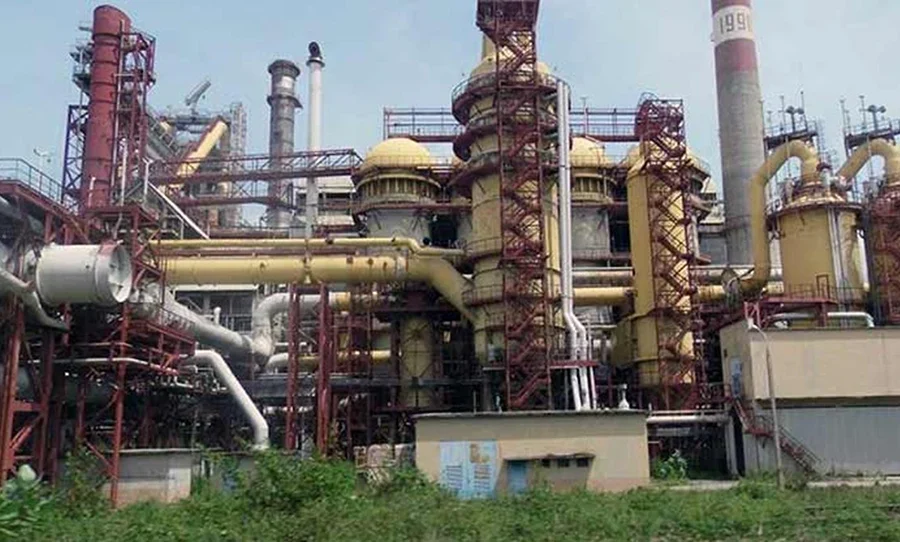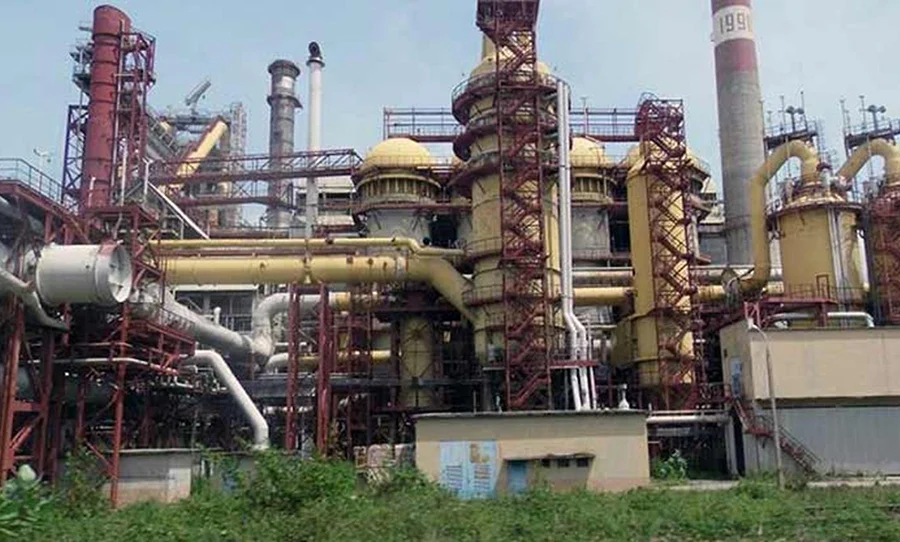
The Ajaokuta Steel Company is facing the possibility of power disconnection over an outstanding electricity debt reportedly amounting to N5.46 billion, raising fresh concerns about the financial and operational challenges confronting the long-awaited steel project. The reported debt has placed additional pressure on the company, which requires a stable electricity supply to support its operations and maintain critical facilities. Any disruption to power could further complicate efforts to revive the steel complex and maximise its potential contribution to Nigeria’s industrial development. Ajaokuta Steel has remained one of Nigeria’s most significant industrial projects, with successive governments expressing interest in completing and revitalising the facility. The complex was conceived as a major steel production centre capable of supporting manufacturing, construction, engineering and other industrial activities. However, years of delays, funding challenges, technical difficulties and administrative issues have limited its ability to operate at the level originally envisioned. The reported electricity debt adds another concern to the company’s long-standing challenges. Reliable power is essential for large industrial facilities because production processes, machinery, security systems and other operations depend on consistent electricity. A power cut could affect existing activities and increase the cost of restoring operations if equipment or systems are disrupted. The situation also raises broader questions about the management of public industrial assets and the accumulation of unpaid obligations. Resolving the debt could require negotiations among the steel company, electricity providers and relevant government agencies. Stakeholders may also seek a clear plan for settling the outstanding amount while ensuring that the company can maintain essential operations. The Federal Government has repeatedly emphasised the importance of developing Nigeria’s steel industry as part of efforts to reduce dependence on imported steel products and strengthen domestic manufacturing. A functioning Ajaokuta Steel complex could potentially support local industries, create employment and contribute to economic diversification. However, achieving these benefits will require sustained investment, effective management, adequate infrastructure and reliable energy supply. The reported N5.46 billion debt highlights the financial pressures that can hinder the facility’s progress. Government authorities and other stakeholders are expected to consider measures that could prevent a power disconnection while addressing the underlying debt. Finding a sustainable solution would be important for protecting the facility’s operations and preserving its potential value to the Nigerian economy. As discussions continue, attention will remain focused on how the authorities respond to the debt and whether a workable arrangement can be reached to keep electricity supplies available to the Ajaokuta Steel complex.