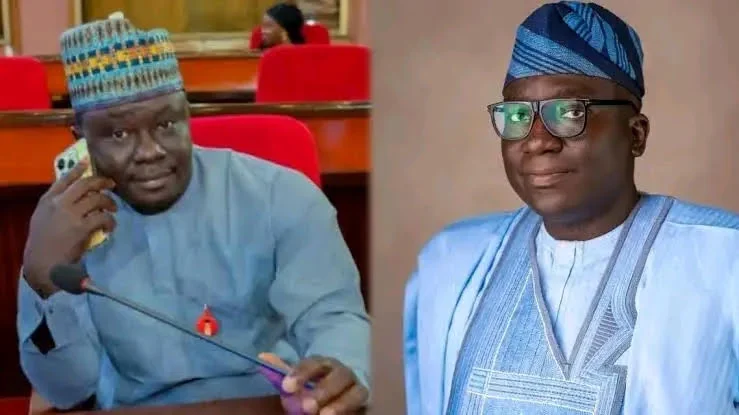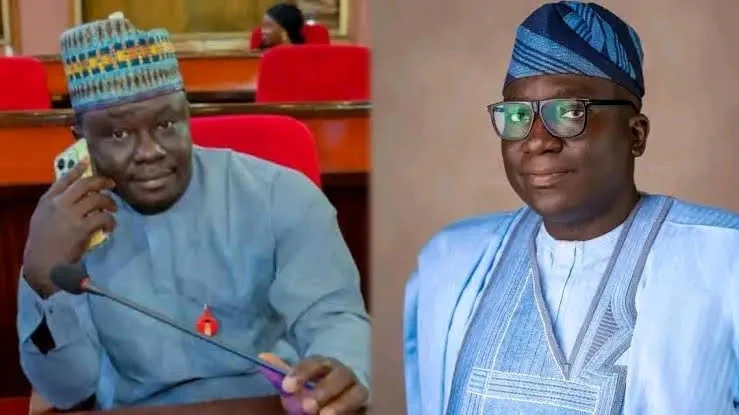
The Kwara State House of Assembly has suspended two members and declared their legislative seats vacant, in a development that has attracted attention within the state’s political circles. The decision is expected to generate further discussion about the circumstances surrounding the lawmakers’ suspension and the legal implications of declaring their seats vacant. The Assembly’s action comes amid internal developments within the legislative chamber and has raised questions about the relationship between lawmakers, party structures and the leadership of the House. While legislative chambers have powers to regulate their internal affairs, decisions affecting elected lawmakers and their constituencies can attract significant public interest. The affected lawmakers are expected to seek clarification on the reasons behind the action and may explore available legal or constitutional channels if they challenge the decision. Declaring a seat vacant is particularly significant because lawmakers are elected by constituents to represent them in the state legislature. Any prolonged vacancy could affect representation for the affected constituencies and raise questions about whether a by-election or another constitutional process would be required. Political stakeholders in Kwara are likely to monitor developments closely as the situation unfolds. The incident may also have implications for the balance of interests within the Assembly, particularly if the suspended lawmakers belong to different political factions or have been involved in disagreements over legislative or political matters. The House leadership is expected to provide further details on the reasons for its decision and the procedures that will follow. The Independent National Electoral Commission, INEC, could also become relevant if the seats are formally considered vacant under applicable electoral provisions and a fresh election is required. Any by-election would give voters in the affected constituencies an opportunity to elect new representatives. The development highlights the importance of clear legislative procedures when dealing with disputes involving elected representatives. It also underscores the need for political disagreements to be managed through lawful and transparent processes. Residents of the affected constituencies will be particularly interested in how quickly the issue is resolved and whether their representation in the Assembly will be restored. Political parties may also become involved if the dispute affects party membership, leadership or future electoral arrangements. As reactions continue, the focus is likely to remain on the reasons for the suspensions, the legal basis for declaring the seats vacant and the next steps available to the affected lawmakers. The outcome could have wider implications for legislative stability and political relations within Kwara State. Further statements from the Assembly, the affected lawmakers and relevant electoral authorities are expected to provide greater clarity on the matter.