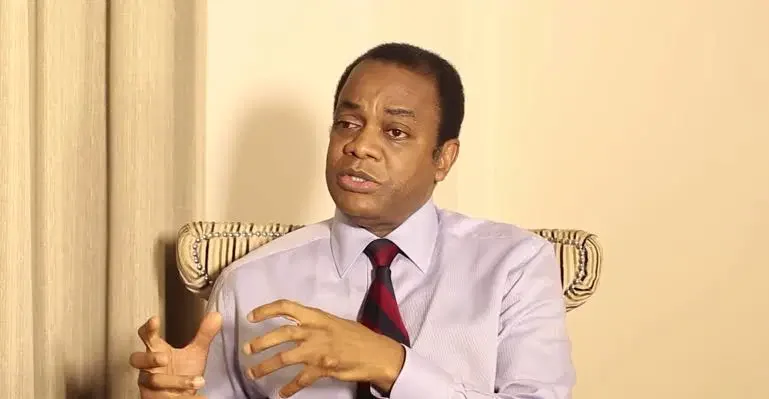
Former Cross River State Governor Donald Duke has explained why he remains interested in becoming Nigeria’s president, outlining his vision for the country and the type of leadership he believes Nigeria needs. Duke, who previously contested the presidency, has remained an influential voice in discussions about governance, economic development and political reform. In explaining his ambition, the former governor emphasized the need for competent leadership capable of addressing Nigeria’s longstanding challenges and creating conditions for sustainable development. He has consistently advocated policies focused on economic growth, effective public institutions, infrastructure development and improved opportunities for young Nigerians. Duke’s political career includes his tenure as governor of Cross River State, where he was associated with efforts to promote tourism, infrastructure and economic development. His experience in state administration has continued to shape his views on how government can deliver practical results for citizens. Nigeria faces several challenges, including unemployment, insecurity, inflation, infrastructure deficits and concerns about public-sector efficiency. Any presidential ambition is therefore likely to be assessed against the candidate’s proposed solutions to these issues. Duke has argued that Nigeria possesses significant human and natural resources that can be better developed through effective leadership and long-term planning. He has also emphasized the importance of reducing dependence on crude oil and creating a more productive economy capable of generating employment and improving living standards. His renewed explanation of his presidential ambition comes as political discussions surrounding Nigeria’s future leadership continue to gain momentum ahead of the 2027 general elections. Political parties and potential candidates are expected to present their programmes and seek support from voters across the country. For Duke, a successful presidency would require reforms that strengthen institutions, improve accountability and encourage investment. He has also spoken about the importance of giving young Nigerians greater opportunities to participate in the economy and national development. His supporters may view his previous administrative experience as an advantage, while political observers will assess how his ideas fit into the wider political landscape. Presidential contests in Nigeria require extensive national support, strong political structures and the ability to connect policy proposals with voters’ concerns. Duke’s comments therefore add another perspective to the growing debate over who should lead the country and what qualities Nigerians should expect from future political leaders. As the 2027 election approaches, issues such as economic management, security, job creation, education and institutional reform are expected to remain central to political campaigns. Duke’s explanation of his ambition places these concerns at the heart of his case for seeking the presidency.