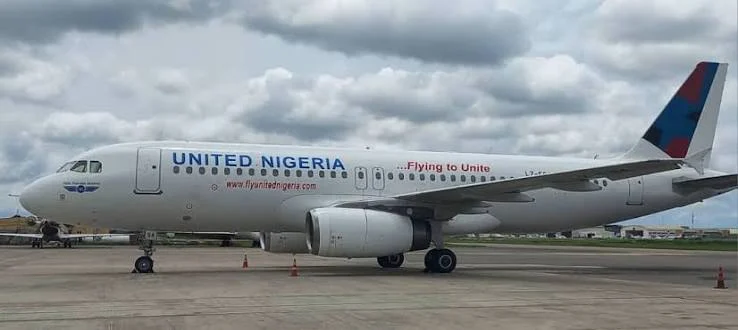
A bird strike has forced United Nigeria Airlines to ground one of its aircraft in Lagos after the incident affected the plane during operations. The airline was compelled to take the aircraft out of service as safety checks and necessary assessments were carried out to determine the extent of the damage. Bird strikes are a known aviation hazard that can occur when aircraft encounter birds during takeoff, landing or flight at relatively low altitudes. Such incidents can potentially damage engines, windscreens, wings and other aircraft components, making immediate inspection essential before an aircraft is cleared to return to service. The incident involving United Nigeria Airlines has once again highlighted the importance of strict safety procedures at airports, particularly measures designed to reduce the presence of birds around airport runways and flight paths. Airlines are required to prioritize passenger safety by conducting appropriate inspections whenever an aircraft is involved in a suspected bird strike. Depending on the severity of an incident, an aircraft may remain grounded until engineers complete inspections and confirm that it is safe to operate. The grounding could affect the airline’s flight schedule if the aircraft remains unavailable for an extended period, potentially resulting in delays or adjustments for passengers. Airport authorities and airlines routinely implement bird control measures to reduce the risk of wildlife collisions, including monitoring bird activity and managing areas around airports that may attract birds. Aviation stakeholders continue to emphasize the need for effective wildlife management and compliance with safety procedures. The United Nigeria Airlines incident underscores the importance of prompt action when aviation safety is potentially compromised. Further updates are expected as inspections are completed and the airline determines when the affected aircraft can safely resume operations.