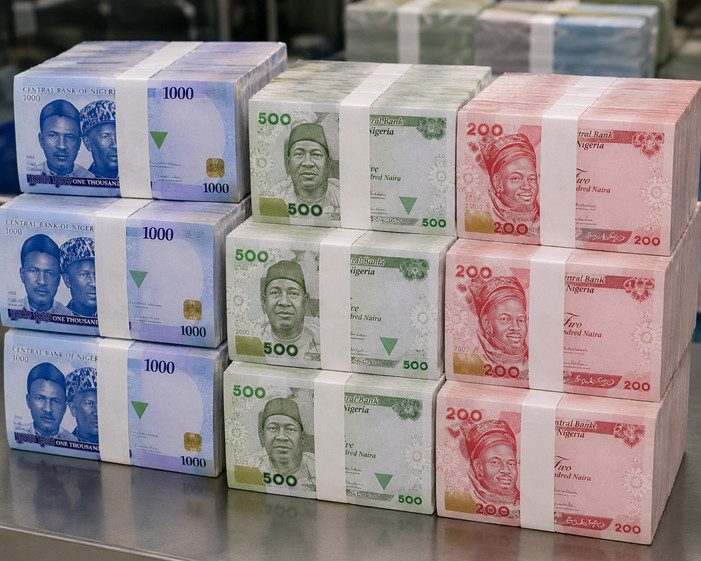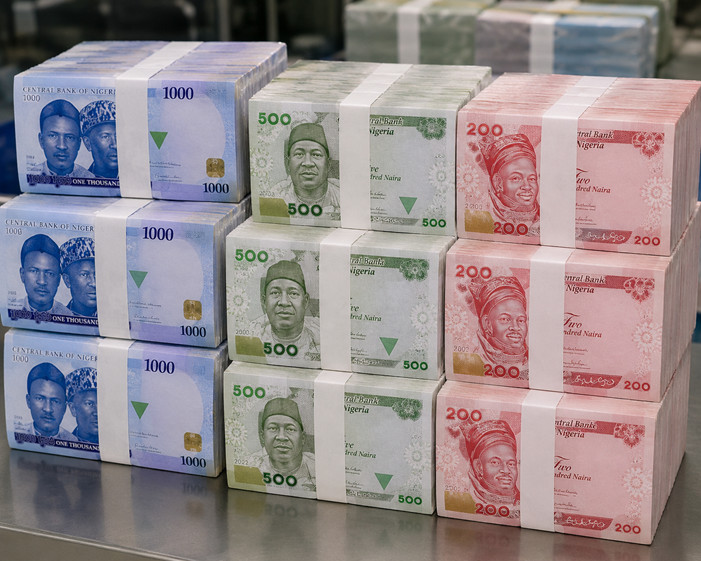
The amount of currency held outside Nigerian banks fell to N4.8 trillion in July, indicating a decline in the volume of cash circulating outside the formal banking system. The development could signal changes in cash usage patterns as more individuals and businesses make use of banking channels and electronic payment platforms for financial transactions. Currency outside banks refers to physical naira notes and coins held by members of the public and businesses rather than deposited with commercial banks. A reduction in the figure can affect overall cash circulation and provide insights into how Nigerians manage their money. The decline comes amid continued efforts by financial authorities to encourage electronic payments, improve financial inclusion and reduce dependence on physical cash. Digital banking, mobile transfers, point-of-sale transactions and other electronic payment options have become increasingly important in Nigeria’s financial system. For businesses, reduced reliance on cash could help improve transaction records, simplify payments and reduce some of the risks associated with handling large amounts of physical money. However, cash remains important for millions of Nigerians, particularly those operating in informal markets and communities with limited access to banking services or reliable digital infrastructure. The Central Bank of Nigeria continues to monitor developments in currency circulation as part of its broader responsibility for monetary and financial stability. Changes in currency outside banks can provide useful information about consumer behavior, liquidity conditions and demand for cash. Analysts are expected to monitor whether the decline continues in subsequent months and what impact it may have on the broader economy. The July figure highlights the evolving nature of Nigeria’s payment system and the growing role of digital financial services.